The advantages of living and operating in a foreign country are abundant. The resiliency gained through learning to adapt to living in a new environment, achieving proficiency in another language, making connections with people from different corners of the world; these represent a few of the “profound” benefits of travel.
Today, however, I’d like to invite you to splash around with me in the kiddie pool as we explore one of the “shallow” benefits of living abroad that I and many other foreigners/PCVs in Costa Rica get to disfrutar (enjoy). I hope it’ll be a fruitful conversation.
Yeah, we’re gonna talk about fruit.
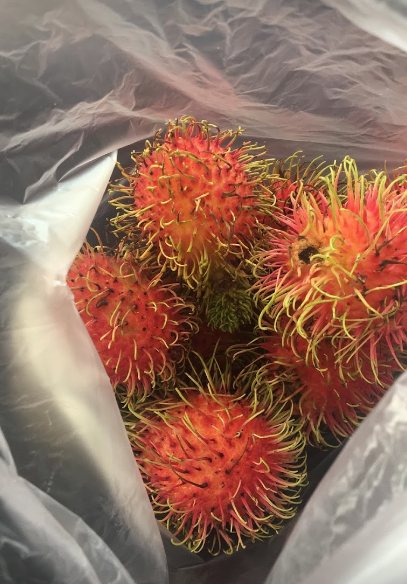
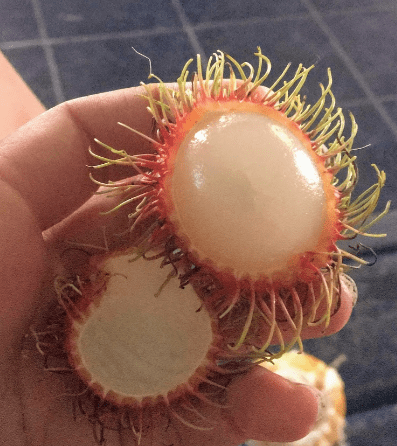
Joining the ranks with shamelessly watching Turkish telenovelas in the teacher’s lounge (will they ever find Elif?), constant access to cheap coffee, and being able to cancel plans sin guilt because of rain, access to fruit is by far one of my favorite superficial benefits of living in Costa Rica. Supermercados brimming with fruits familiar and exotic of all imaginable shapes and colors have both happily filled my pancita (tummy) and tested my knowledge of fruits on a regular basis. Even after having lived here for 2+ years, I am still learning new things. Did ya’ll know that pineapples grow like this?
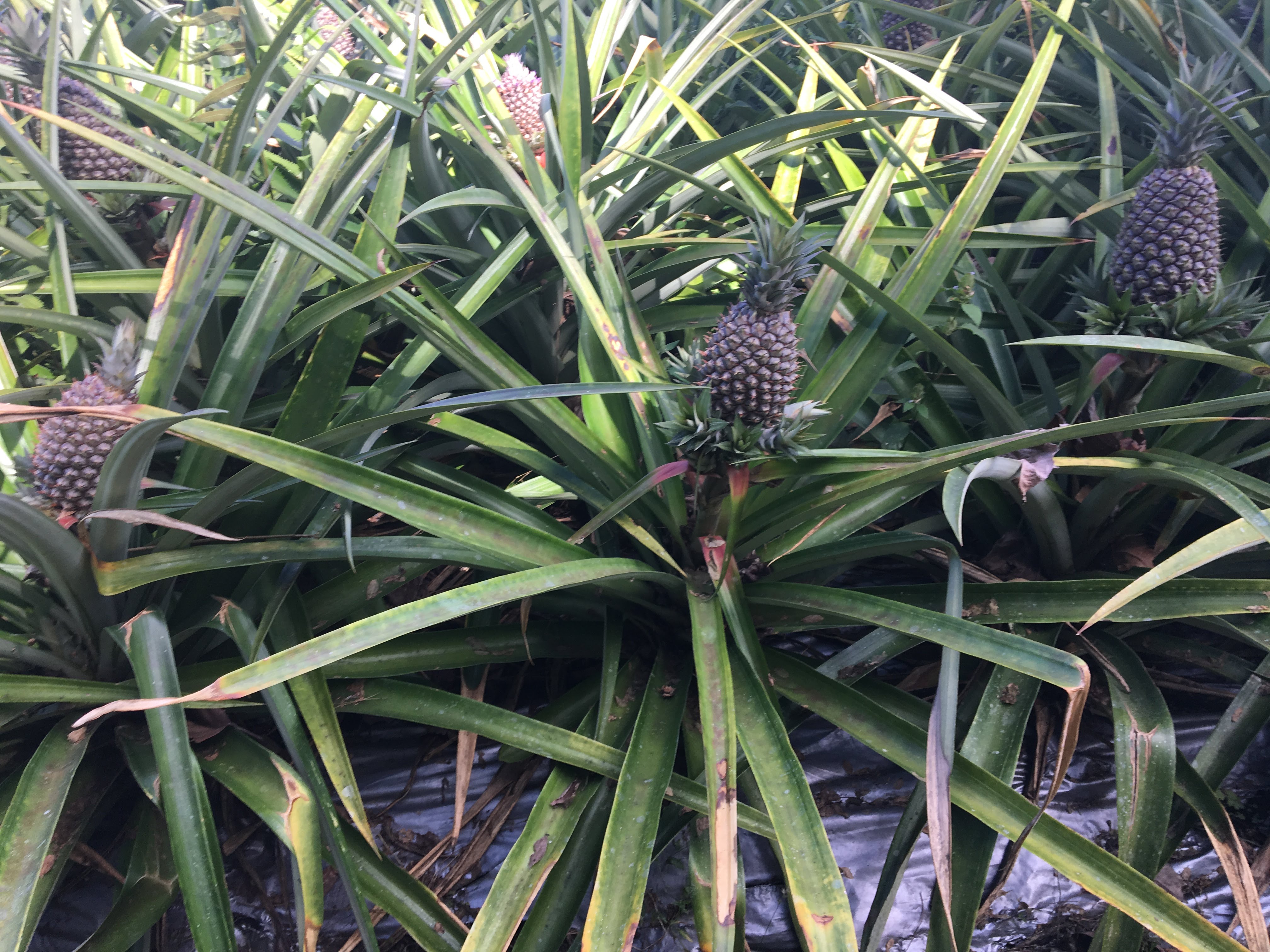
This is also the perfect (and probably my only) opportunity to pull out some super cursi (cheesy) fruit jokes that I’ve been sitting on for the past 24 years.
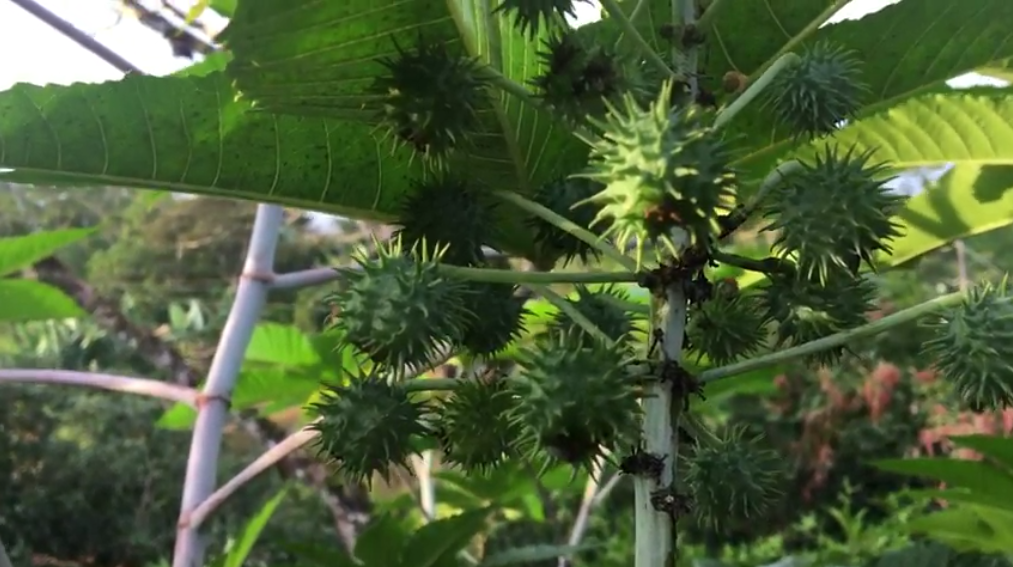
From the frutas that you toss into smoothies on the daily to the ones you don’t even know how to pronounce, check out these 6 common fruits that grace us with their unique colors and flavors on a daily basis here in Costa Rica:
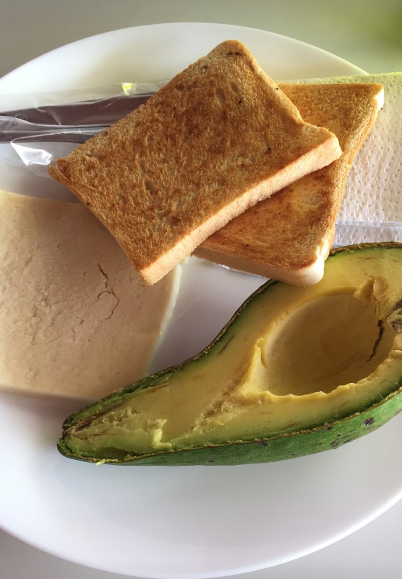
1. Aguacate (Avocado)

What do you call and avocado after a priest blesses it?
Holy guacamole.
Also referred to as a palta in Argentina, because Spanish wasn’t difficult enough to learn as it was. Love them or hate them, we can’t deny that avocados are having a serious cultural moment. Avocado season in Costa Rica hits in May-June, at which point I’ve seen avocado prices drop as low as 1,600 colones per kilo (about $1.20 per pound) in local fruterías. The article entitled Avocado: The Aphrodisiacal Pear by The Tico Times from 2007 sums up some of the most interesting avo-facts I’ve come across. To give ya’ll a taste:
“Native to Mexico and Central and South America, the Spanish word aguacate comes from the Aztec ahuacuatl, literally meaning “the tree of testicles.””
Marco Gonzalez
How to eat it: In guacamole. On toast. With a spoon. Ya’ll already know the drill.
2. Granadilla
Cuál es la fruta más explosiva?
La granada
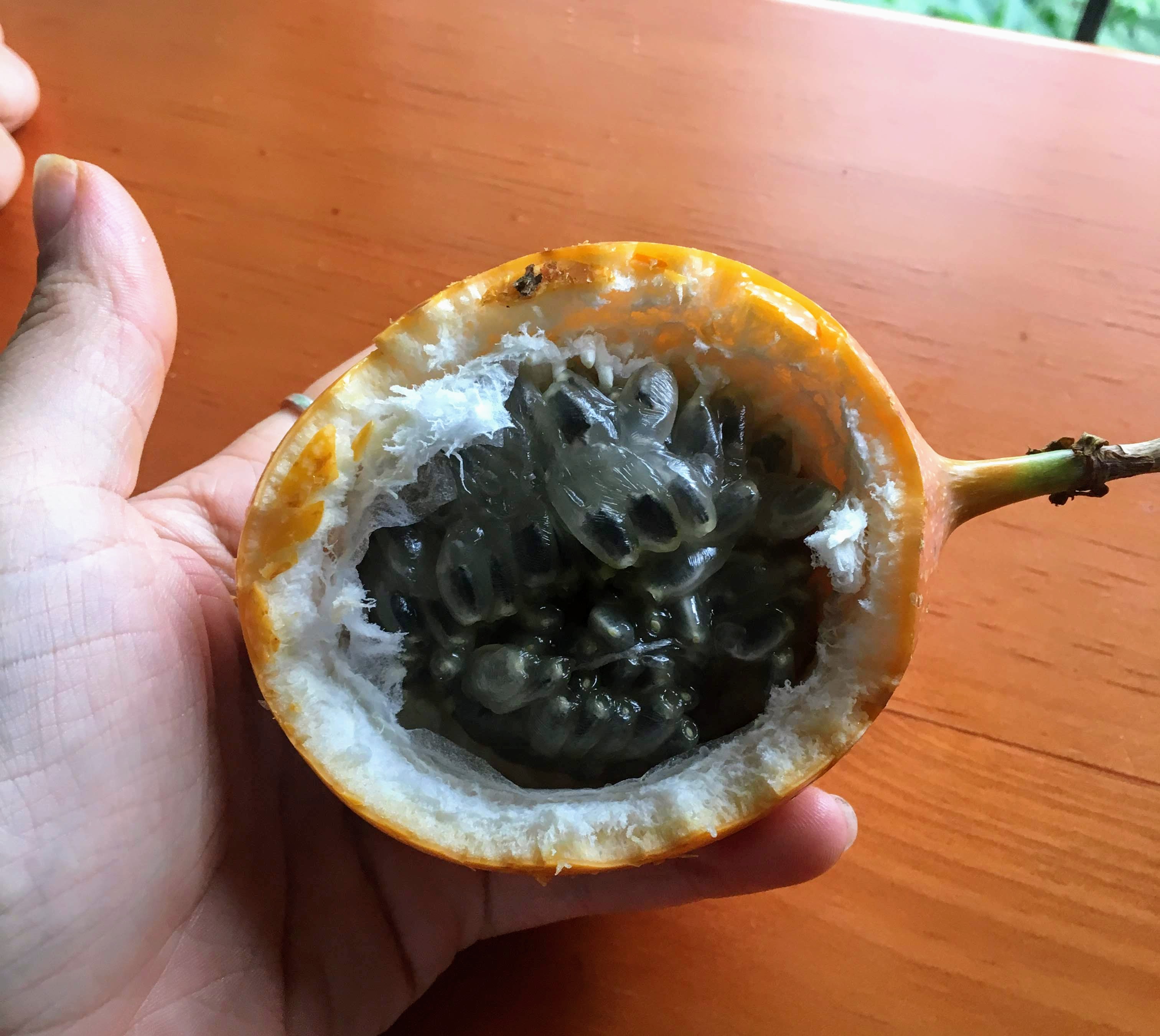
Often confused with passion fruit (it is in the family, so you’re not too far off), this fruit is found in stores year-round, but is cultivated during the rainy season. Ranging in price from around 150-275 colones a pop ($0.25-$0.46) depending on the season, the granadilla is a frequent accompanying fruit at school lunches across the country.
How to eat it: Granadilla is excellent as an addition to any batido or by itself, no utensils necessary. You can easily part the outer shell by piercing it with your fingers and splitting in in half. You can scoop out the inside with a spoon, but it’s often easier to treat the shell like a cup and slurp up the jelly/seedy insides. I’ll be the first to admit that these aren’t the most appealing verbs or adjectives to describe it, but trust me, this easily tops my list for favorite fruit, and therefore is well-worth the seemingly impolite ritual of eating it.
3. Mangostans
A guy kept trying to sell me fruits.
I told him mango.
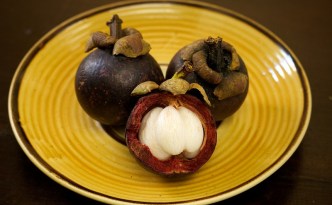
Despite the fact that these look like the real life version of something that you need to collect on Mario Party, these are legit and actually exist. Mangosteens are in season late January through April. They are packed with powerful antioxidants and are believed to have anti-inflammatory properties. They are a rather delicate fruit, and require growing conditions in areas with about 80% humidity and plenty of rainfall. Because they are difficult to grow, they are a bit more expensive, but very worth the try if you can find them!
How to eat it: I like to cut them open with a knife, but sometime the the dark purple rind is delicate enough to puncture with your fingers. The larger white pods often have a seed in them that you can spit out, but the smaller ones are usually so soft and sweet that they melt in your mouth.
4. Carambola (Starfruit)
Cuál es la fruta más paciente?
Es pera.
(Credit and thanks to @MaggieYandell!)
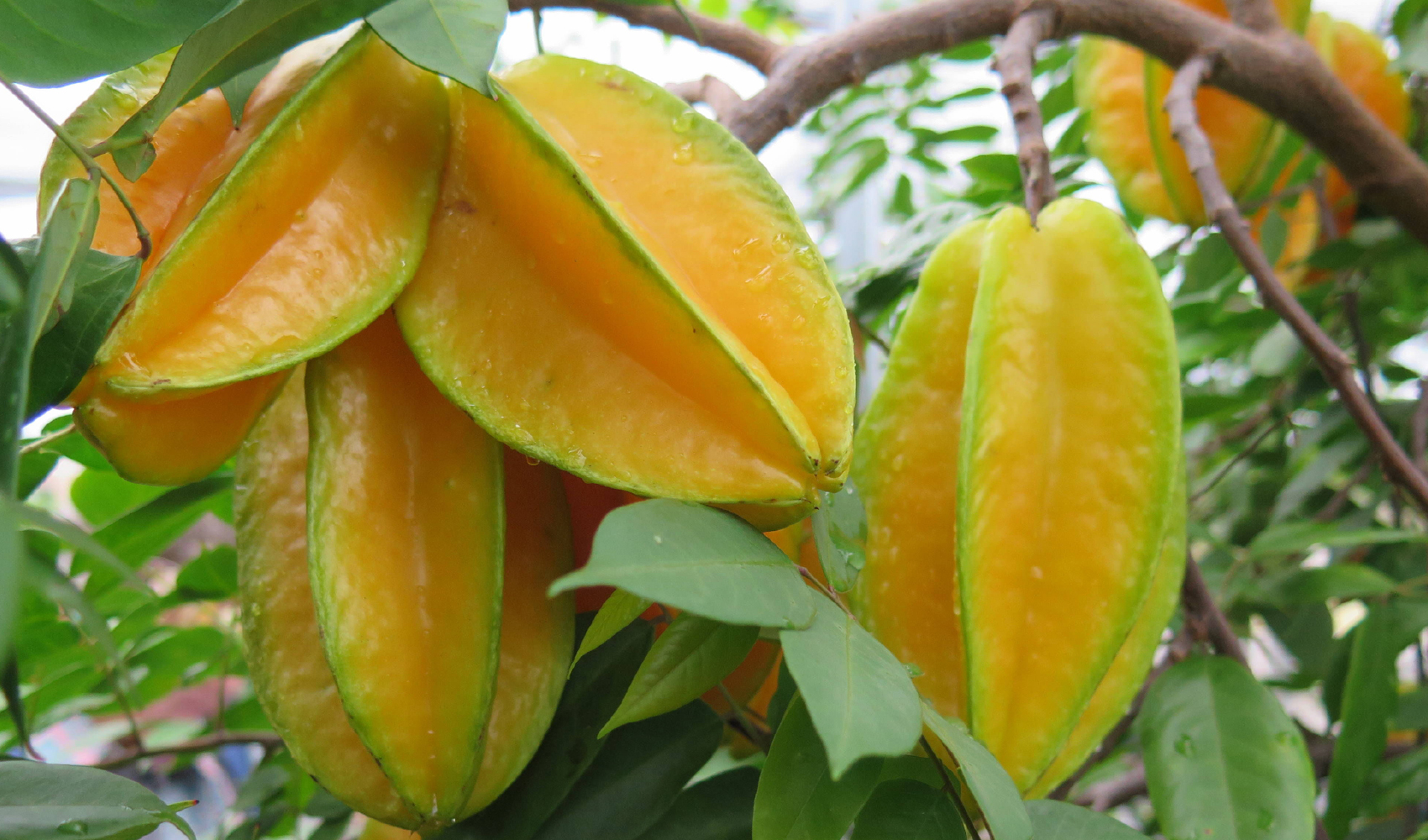
Crunchy, tart, and named for its distinctive star-shape (shocker), starfruit can be found in a number of corners of the world including Southeast Asia, the south Pacific and Latin America. In Costa Rica these fruits are available throughout the year, but are more prevalent from June-October.
How to eat it: If you prefer your fruits lip-puckeringly tart, this is a good one to eat by itself. In Costa Rica, starfruit is most commonly prepared in a fresco (natural juice):
STARFRUIT JUICE
1 whole starfruit
1-1.5 cups of water
1 lemon or lime, juiced
sugar, to taste
Combine in a blender and enjoy!
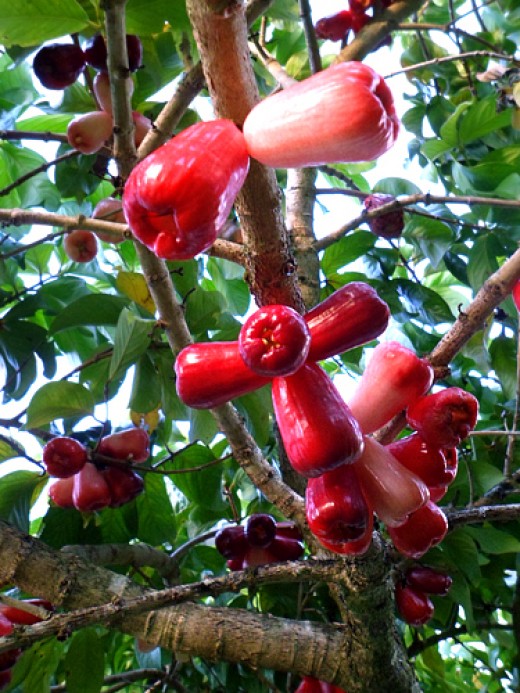
5. Manzana de Agua
How do you make an apple turnover?
Push it down hill.
Not to be confused with a regular apple, manzanas de agua are also known as the “rose apple” for their rosy aroma and flavor. They are in season around October-December. Although I don’t usually see them for sale in supermarkets, as soon as the end of the calendar year hits, they start appearing in fruit bowls and spilling out of plastic bags to share in schools and households.
How to eat it: Bite right in! Although they have a delicate skin, they are a convenient “travel fruit” – similar to a pear or an apple, they are easy to transport and you don’t have to worry about the hassle of preparing it any particular way to enjoy it.
6. Papaya
Cuál es la fruta que más se ríe?
La naranja ja ja ja ja.
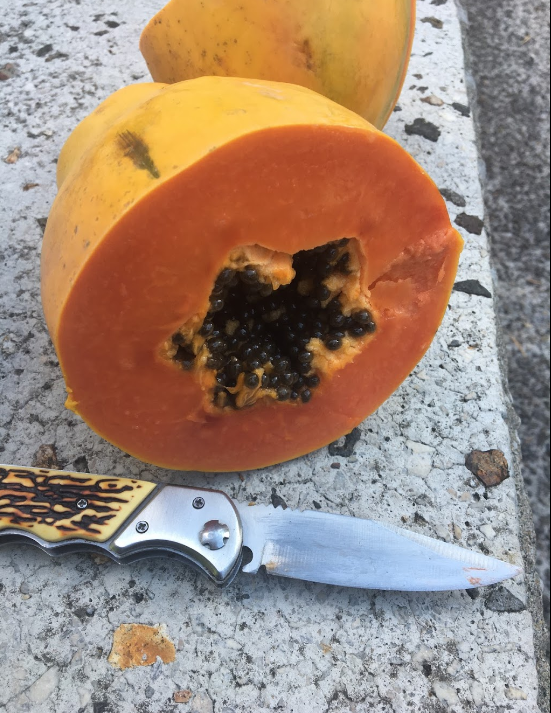
More like papa-YAS. Did you know that you can dry papaya seeds and use them as a substitute for black pepper? And that eating papaya seeds also serves to ward off and kill parasites?
Well, now you do.
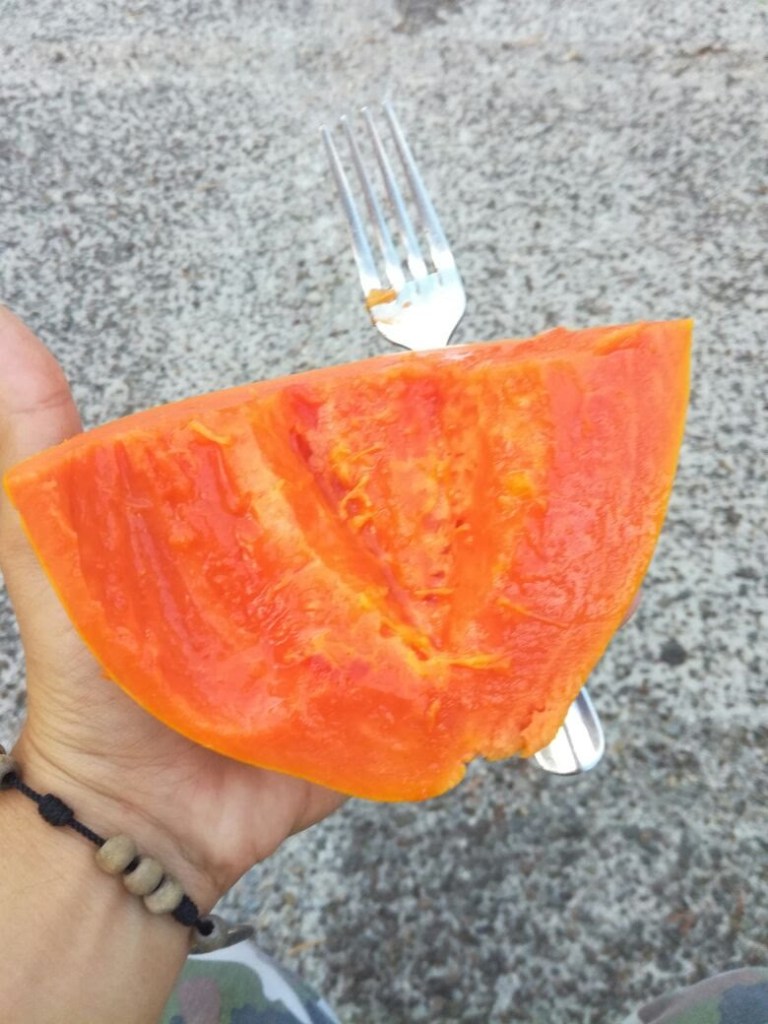
How to eat it: In a batido, cut up on a plate, with your hands on a bird-watching tour. There’s no wrong way to enjoy this nutrient-rich treat.

 820 Days of Pura Vida