Rosemary salt. Blueberry. Everything. Sesame Seed. Cinnamon raisin. Prefer to keep things simple with the classic plain and cream cheese? I see and respect you. Or perhaps you’re one of those people who has been shamed into hiding your proclivity for ordering a baconegg&cheese on a cinnamon raisin, the similarly estranged cousin of Hawaiian pizza? That’s fine too, we don’t discriminate here.
When friends in Costa Rica ask about traditional food from the United States, I tend to draw a blank.
“Authentic” U.S. food.
I mean, we eat plenty of food in the U.S. But I don’t think that Chipotle bowls, french toast and take-out sushi boxes are the answers most people are looking for when they ask that question.
In Costa Rica, gallo pinto is an easy response to the question of authentic tico delicacies. However, in a country with a population of 327.2 million and growing, I find it increasingly difficult to pin down one food that is authentically our own and unites us all.
Apple pie? Barbecues? Kraft Mac and Cheese? Hot dogs and hamburgers? I mean, I guess. But I can’t shake the feeling that these foods are cop-outs, like the easy response that everyone expects that we realistically eat no more than a handful of times throughout the year.
Except for Mac ‘N Cheese. Yeah, that one’s accurate.
So, instead of dignifying questions like, “Qué comen ustedes allá en los estados? Hamburguesas?” with a reluctant “yes,” I eagerly take it as an opportunity to talk about a topic near and dear to my northeastern-U.S. heart:

Bagels.
If you’re from a part of the U.S. other than the northeast and find yourself glowering over the fact that an upstate New Yorker is about to sell bagels as a food that represents the U.S. on a national scale (especially taking into consideration that bagels actually originate from Jewish communities in Poland), I happily invite you to write your own post about a food that you think is better suited to do the job.
I’ll be waiting for the link.
Until then.

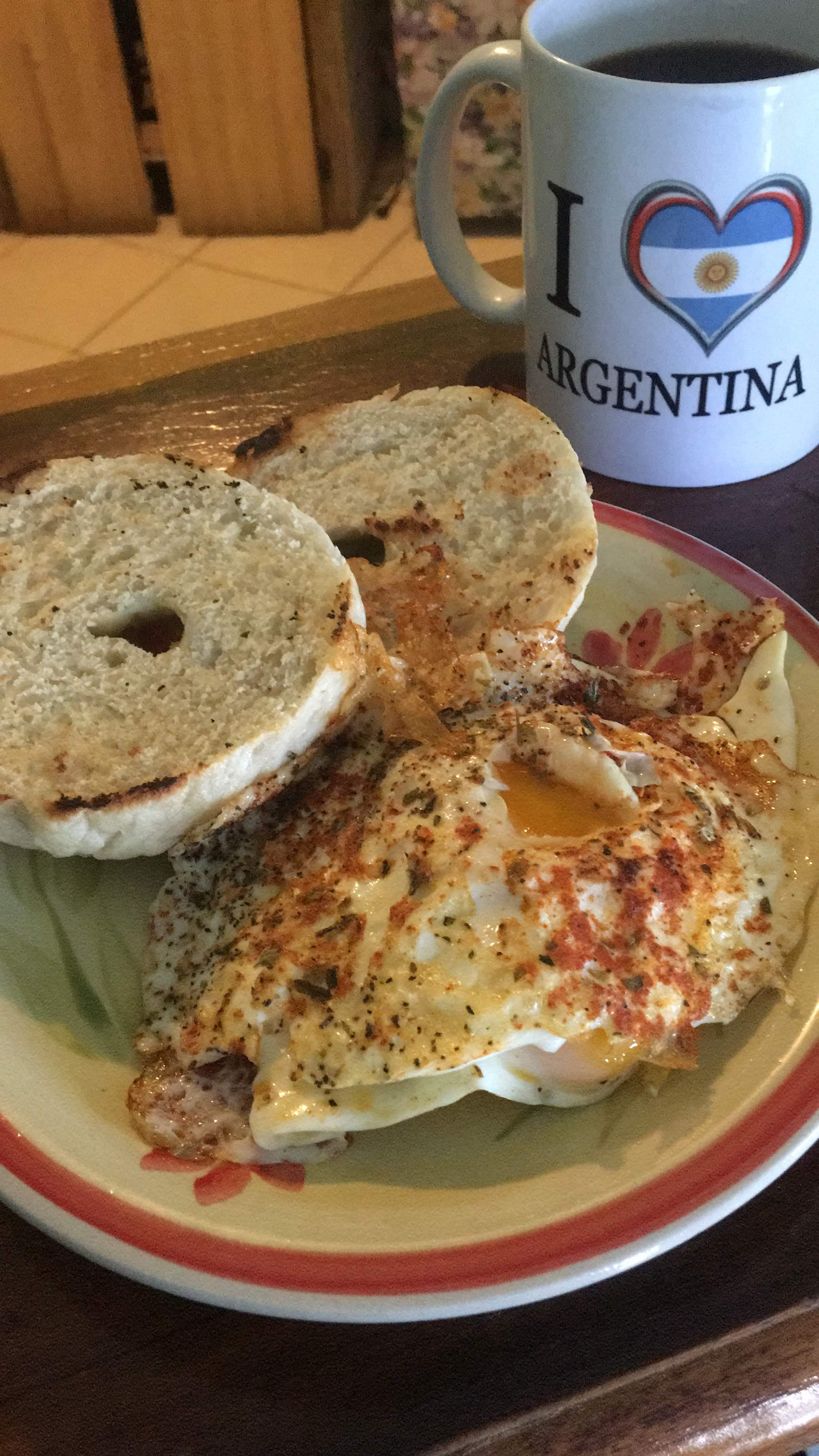
“Bagel” is my immediate response when students ask what food I miss the most from home. It’s the only food that I can think of that I actually do eat nearly every single day in the U.S. (keep your judgement to yourself), and, therefore, what I feel most comfortable sharing as representative of my personal food culture. It’s fun watching reactions as I stumble through trying to describe them to someone who has never seen one before:
“Es como una dona… pero salada… que tiene que hervir en agua… que comemos para el desayuno.”
(“It’s like a donut… but savory… that you have to boil in water… that we eat for breakfast.”)

Bagels seem simple enough when you start. In the New York Times, Ed Levine wrote, quite factually and descriptively:
“A bagel is a round bread made of simple, elegant ingredients: high-gluten flour, salt, water, yeast and malt. Its dough is boiled, then baked, and the result should be a rich caramel color; it should not be pale and blond. A bagel should weigh four ounces or less and should make a slight cracking sound when you bite into it instead of a whoosh. A bagel should be eaten warm and, ideally, should be no more than four or five hours old when consumed. All else is not a bagel.“

As bagels are readily available neither in bakeries nor in pre-packaged Thomas-brand sleeves in supermarkets in Costa Rica, I met up with a few fellow Peace Corps Volunteers to put our baking skills to the test and finally kick our bagel cravings. Check it out:
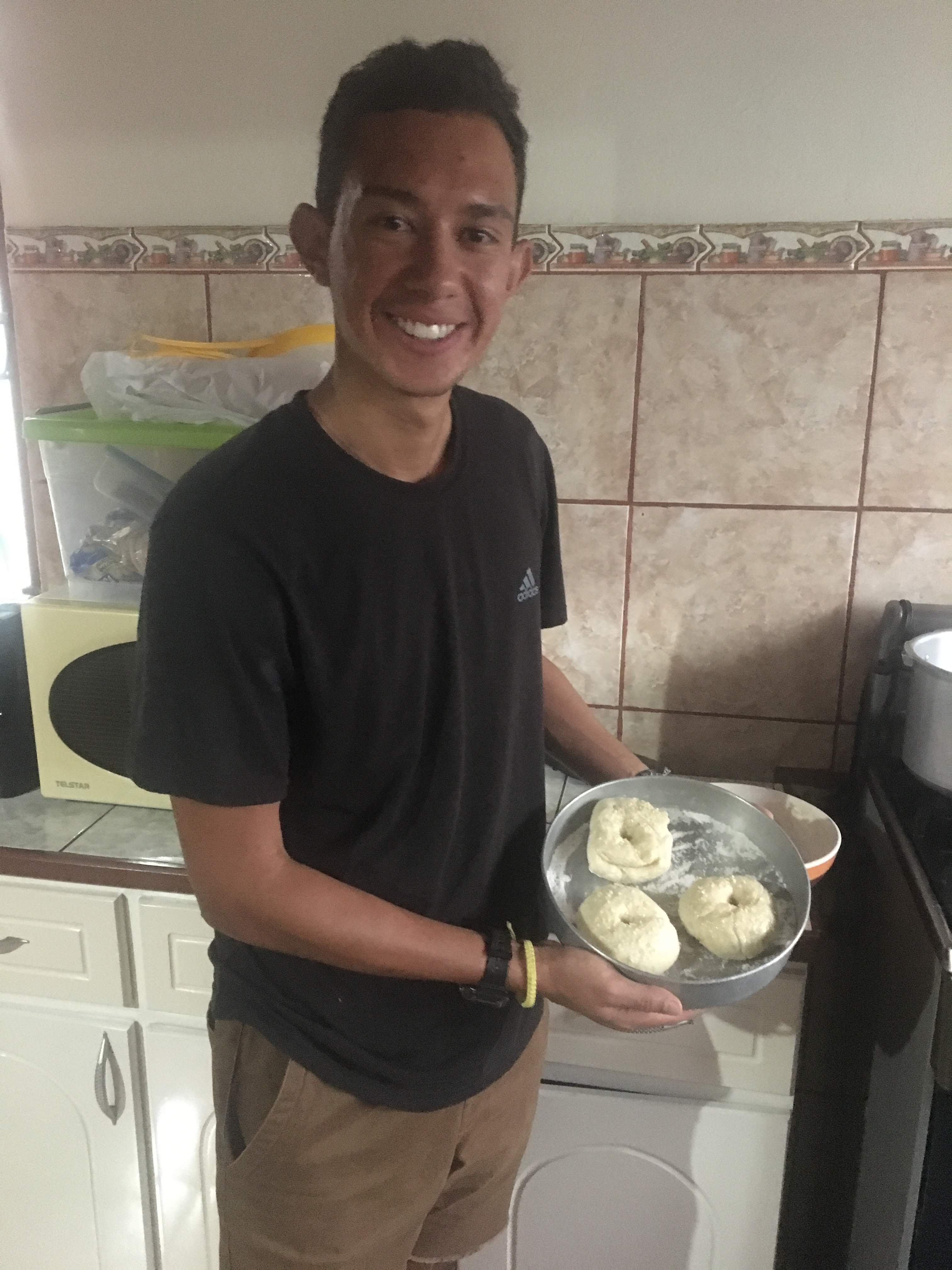
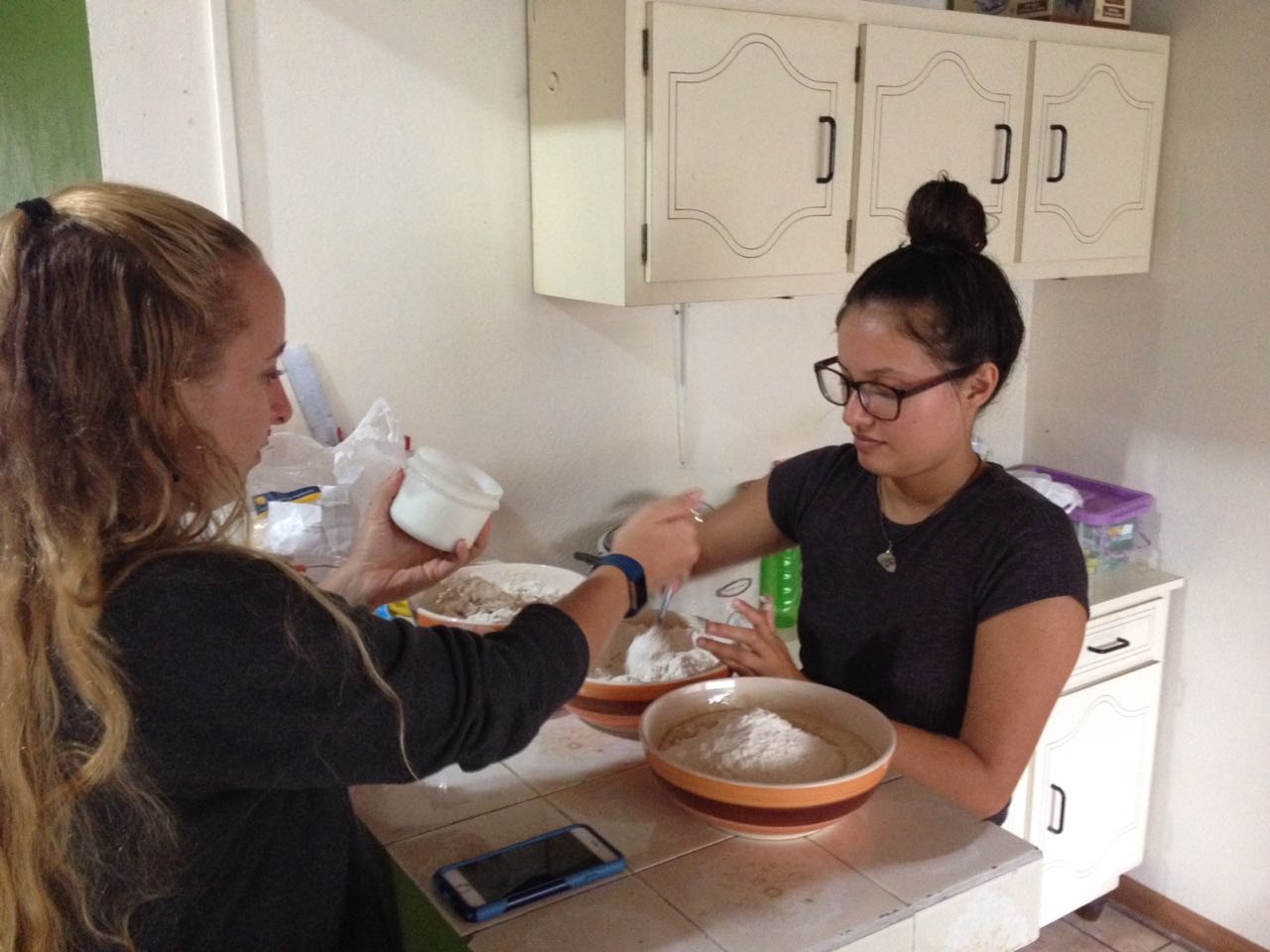

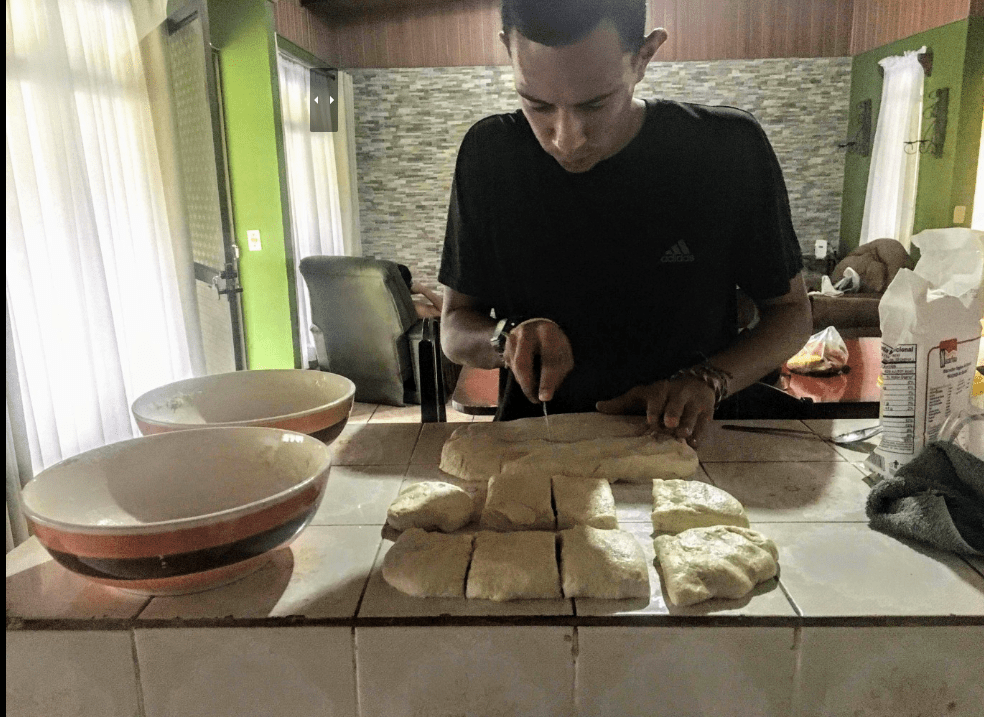
Food is appreciated across all cultures. From the perspective of a Peace Corps Volunteer who is eager to share their experience with host country nationals, having conversations about food opens a great opportunity to explain the regional differences and cultural diversity that exists in the U.S. It also is a perfect opportunity to open an honest dialogue about the fact that countries in general have simply become too globalized and represent too diverse a range of populations to expect that everyone in that place eats the same food breakfast lunch and dinner.

Culture exists in tiers. Whether you’re sharing a dish that you feel accurately represents your country on a national scale, or a PB&J with Goldfish crackers in the middle as a relic of your individual culture, todo se vale (it all counts). All stories deserve to be shared, all experiences have value, and all food deserves to be enjoyed.
If you’re curious about the recipe we used (and wanna see more fun pictures), check it out below!:
COTO BRUS BAGEL RECIPE
As found on http://www.sophisticatedgourmet.com/2009/10/new-york-style-bagel-recipe/
Makes: 8 medium-sized bagels
Time: 1 hour and 45 minutes
Ingredients:
– 2 tsp active dry yeast
– 1 tbsp granulated sugar
– 1 1/4 cups of warm water
– 3 1/2 bread flour (with a little extra for kneading)
– 1 1/2 tsp of salt
Optional Toppings:
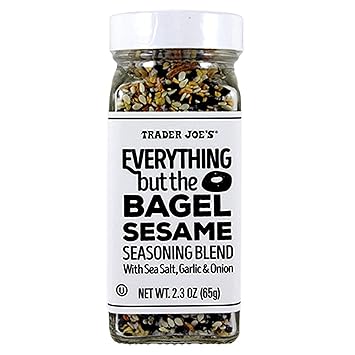
Rosemary and course salt, poppy seeds, sesame seeds, egg, or a personal favorite, Trader Joe’s “Everything But the Bagel” seasoning.
1. In 1/2 cup of the warm water, pour in the sugar and yeast. Let sit for five minutes and then stir until all is dissolved.
2. Mix the flour and salt in a bowl. Make a well in the middle and pour in the yeast and sugar mixture.
3. Pour 1/3 cup of the remain warm water into the well. Mix and stir in addition water as needed. You want a moist and firm dough after mixing.
4. On a floured counter-top, knead the dough for about 10 minutes until it is smooth and elastic. Work in additional flour as needed.
5. Lightly brush the large bowl with oil and turn the dough to coat. Cover the bowl with a damp dish towel. Let rise in a warm place for 1 hour until the dough has doubled in size. Punch the down down and let rest for another 10 minutes.
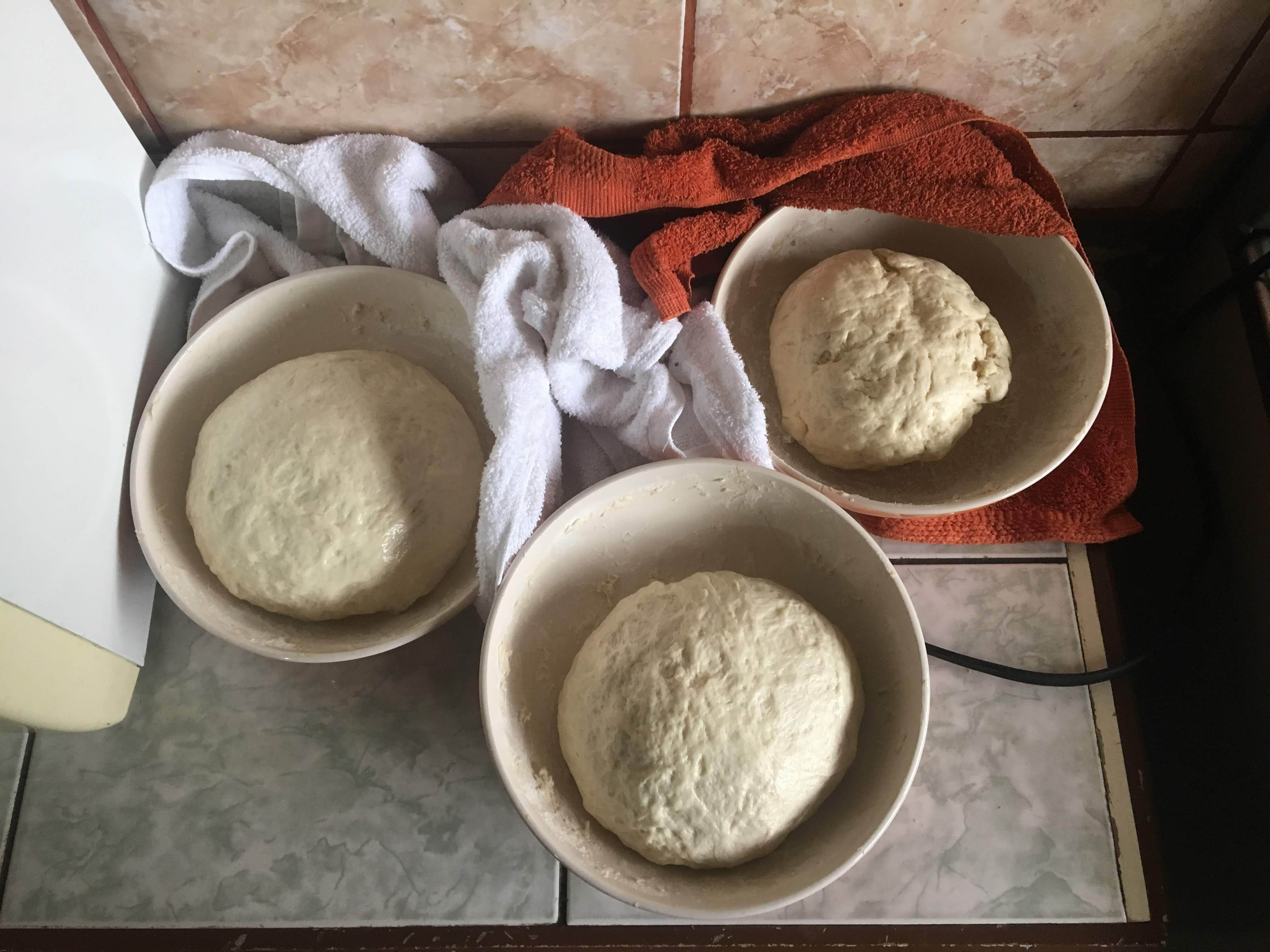
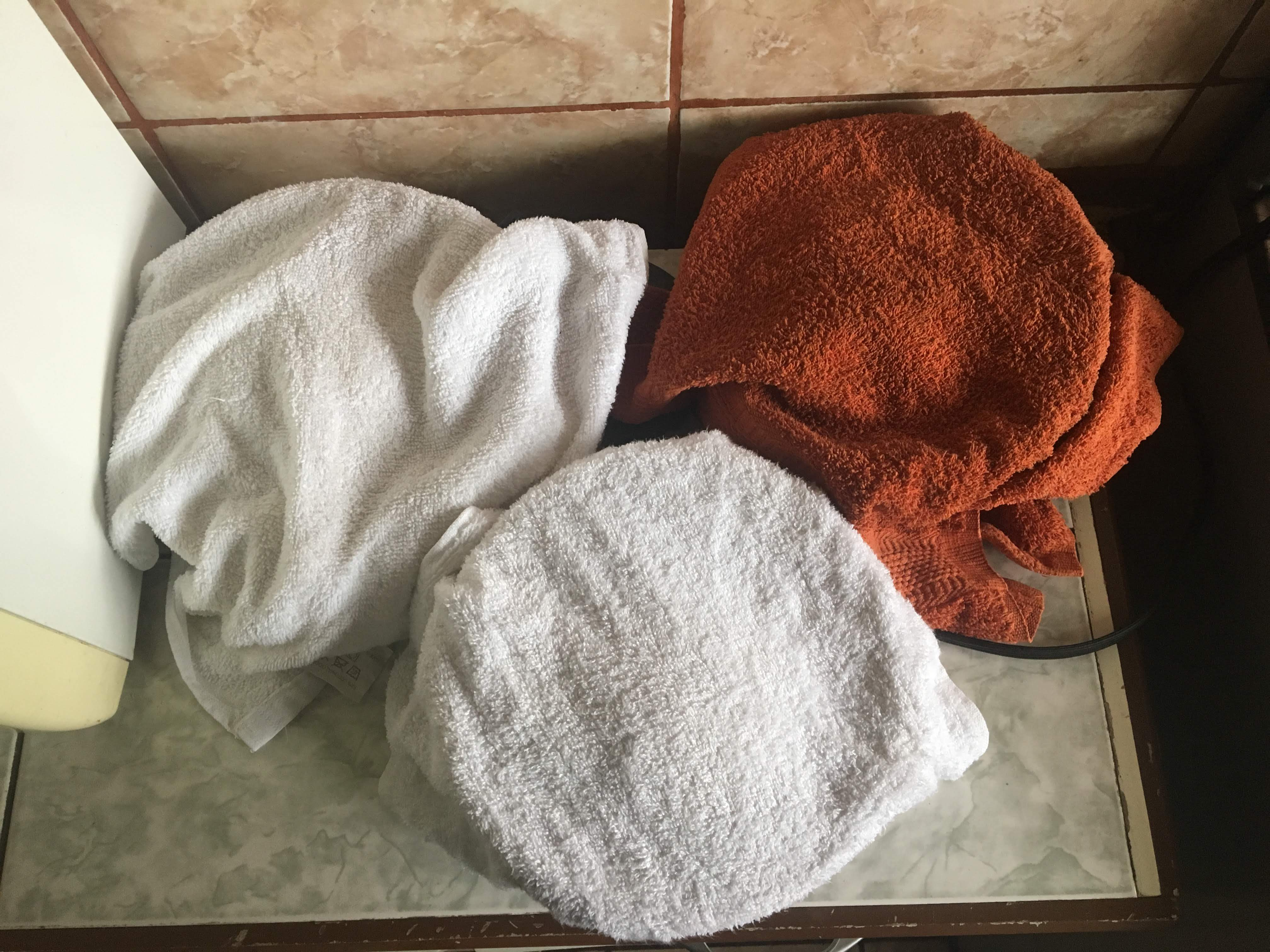
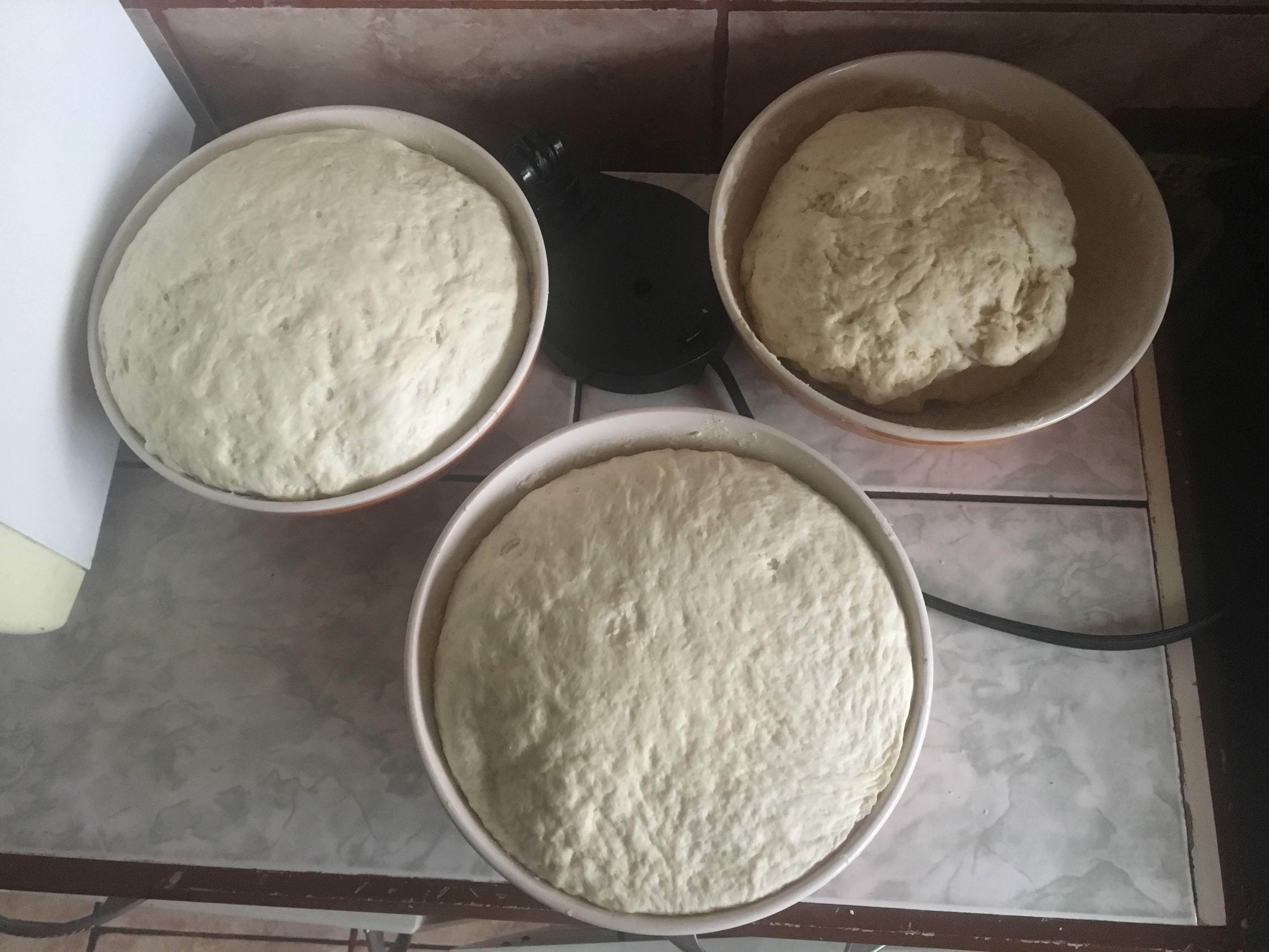
6. Divide the dough into 8 pieces. Shape each into a round ball. Using a finger coated in flour, gently press it into the center of each dough ball to form a ring. Stretch the ring to about 1/3 the diameter of the bagel and place on a lightly oiled cookie sheet.
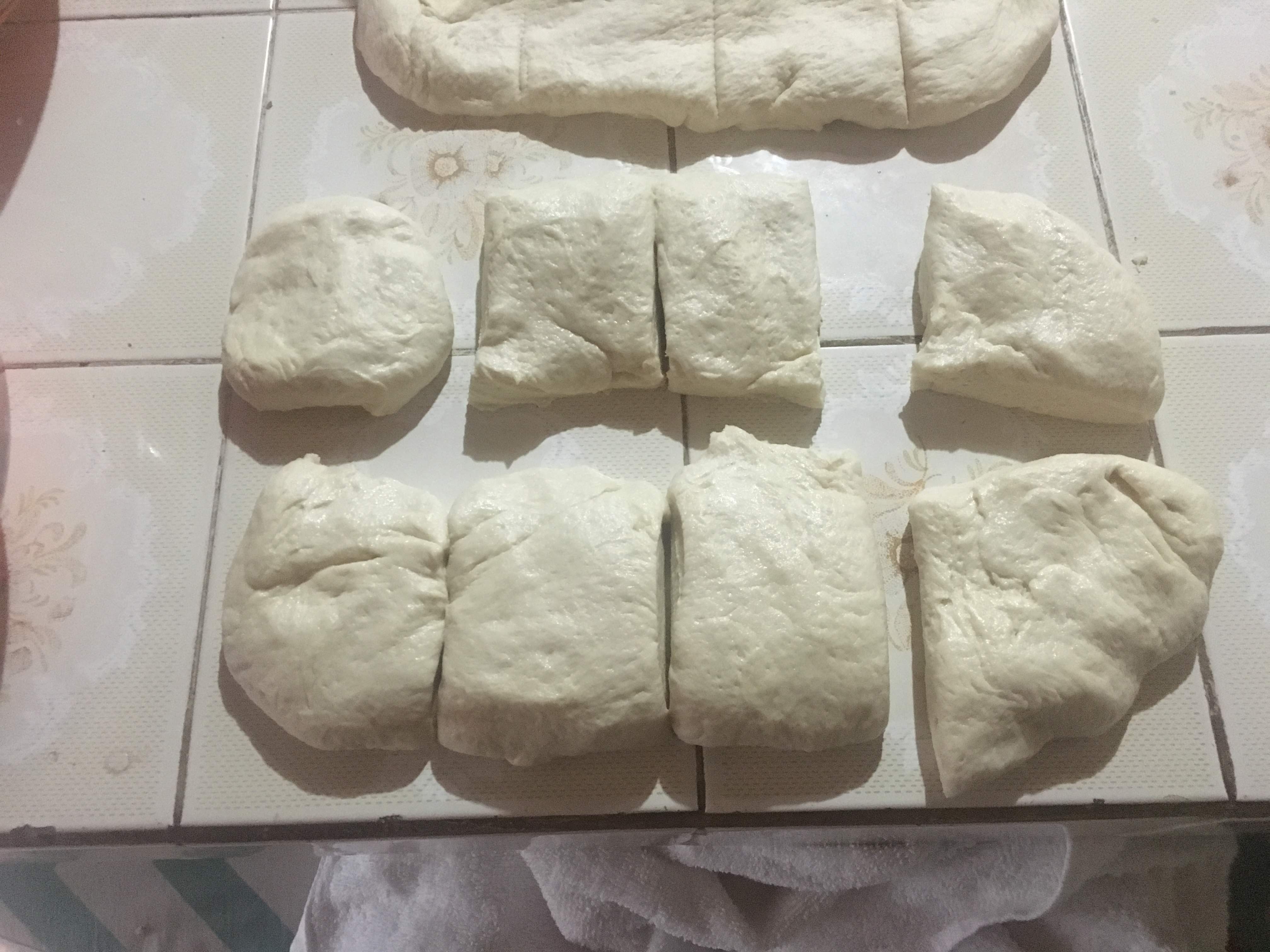
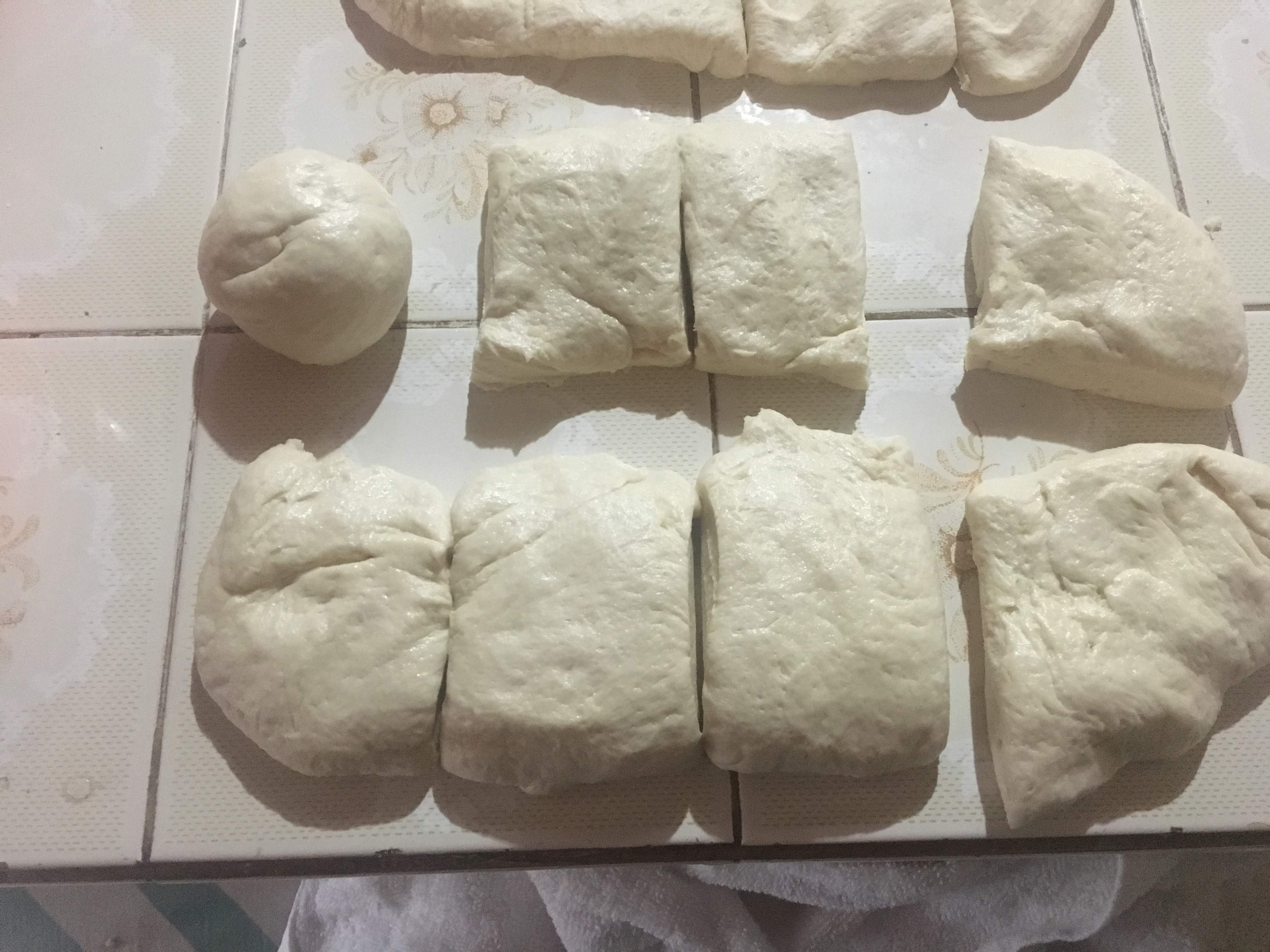
7. After shaping the dough rounds and placing them on the cookie sheet, cover with a damp kitchen towel and allow to rest for 10 minutes.
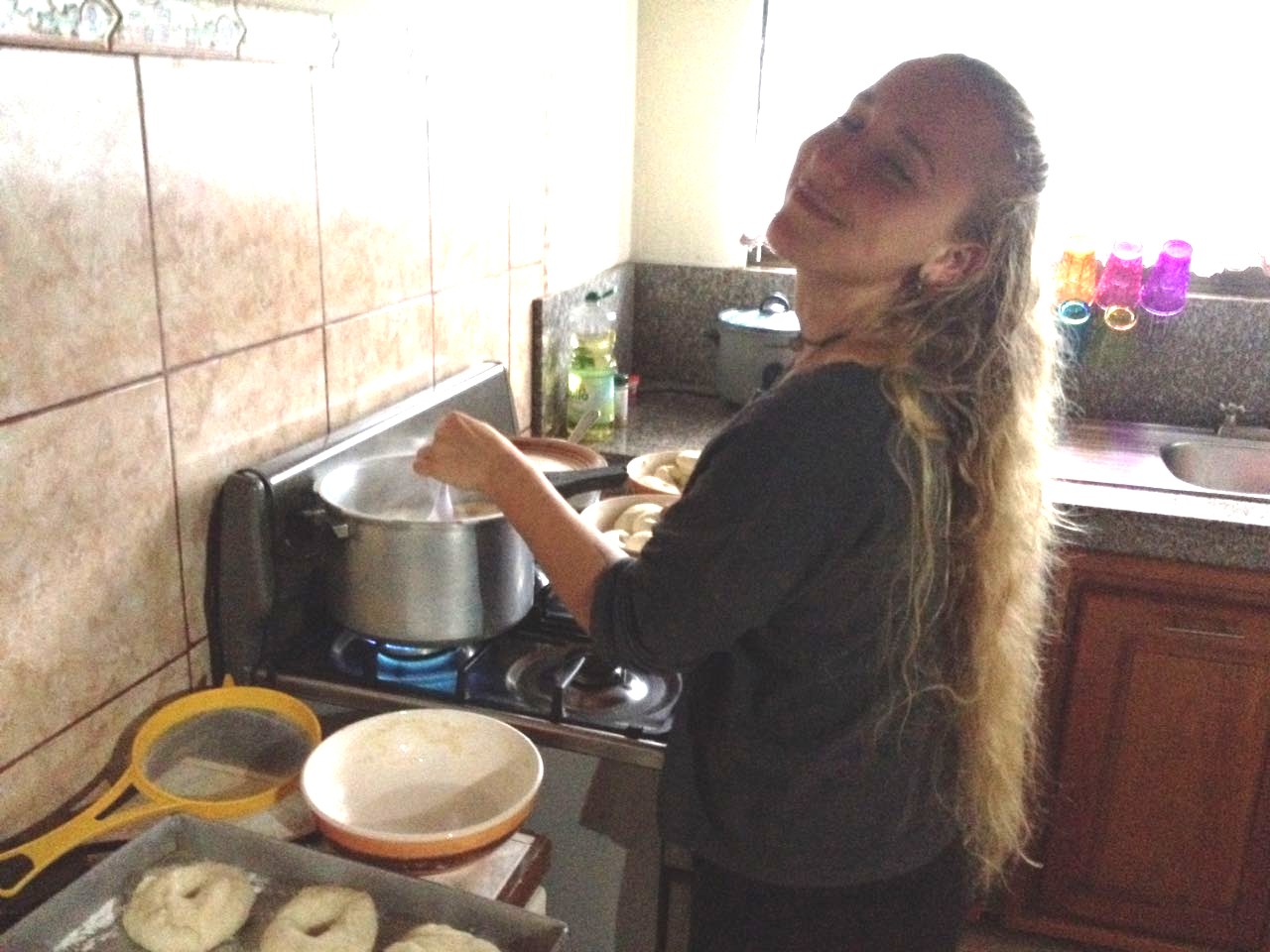
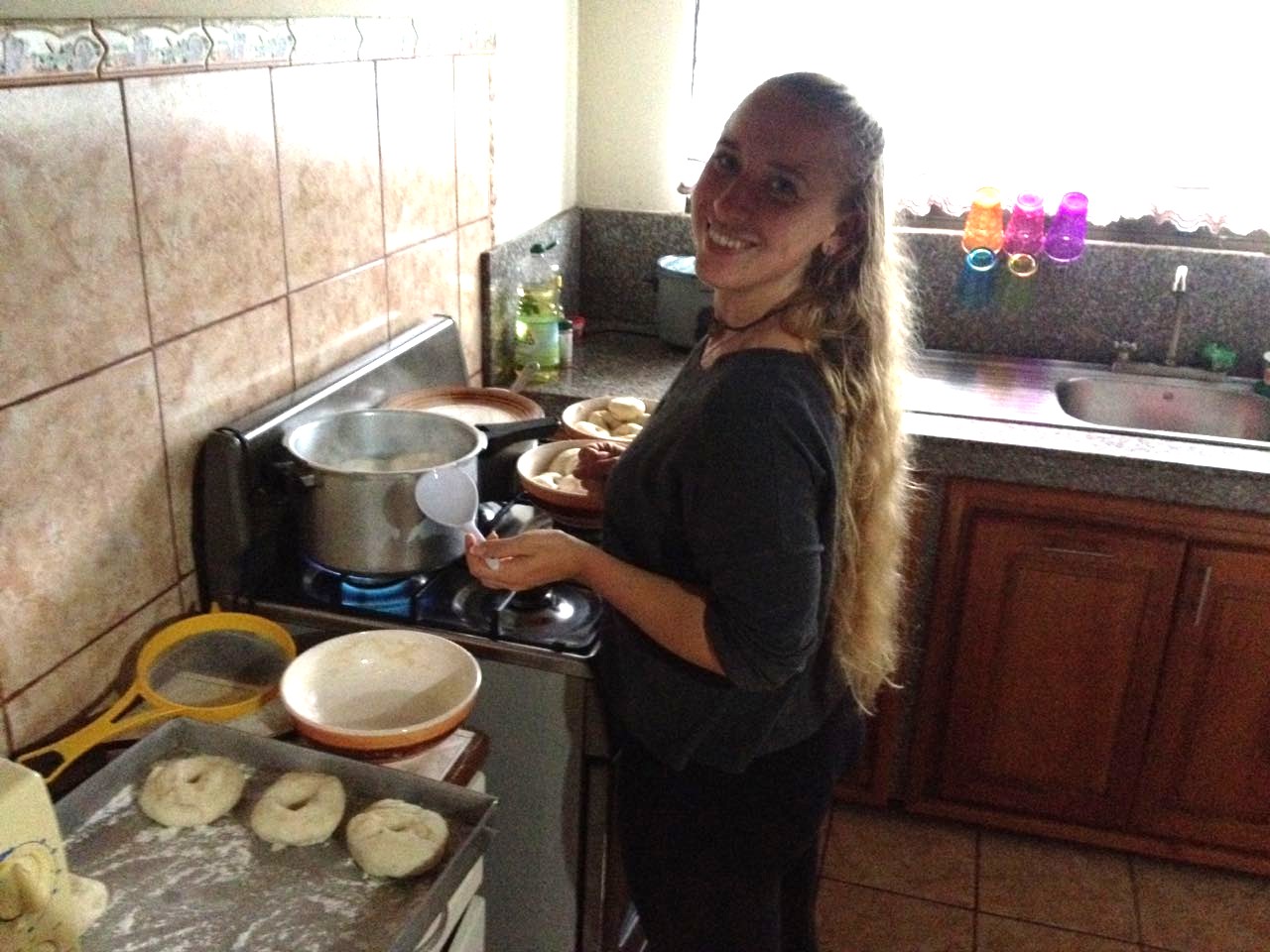
8. Preheat the oven to 425 F / 220 C.
9. Bring a large pot of water to a boil. Reduce the heat. Use a slotted spoon or skimmer to lower the bagels into the water. Once the bagels are in, it shouldn’t take long for them to float to the top (a few seconds). let them sit there for 1 minutes, and flip them over the boil for another minute.
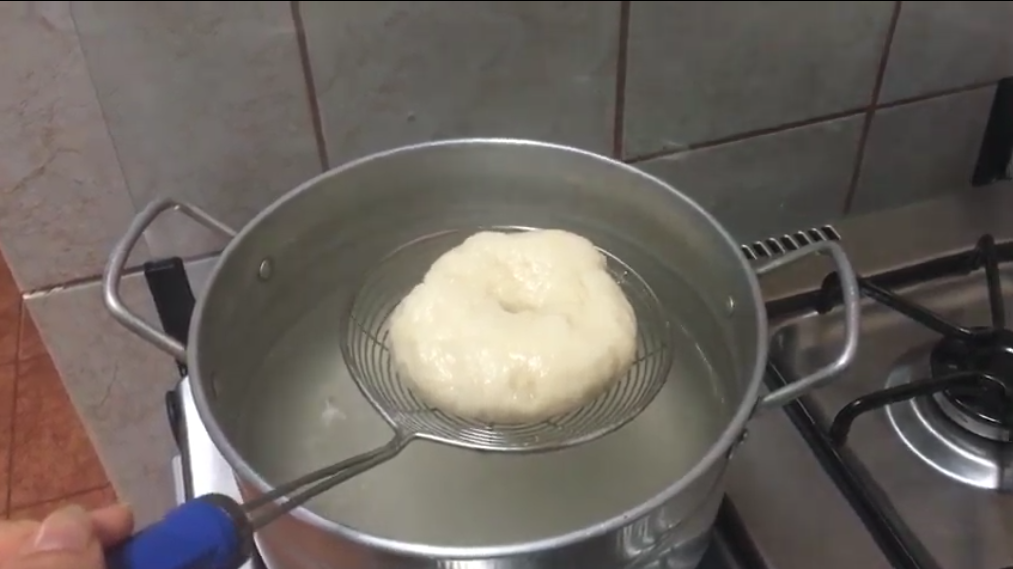
10. If you want to top your bagels with shtuff, do so as you take them out of the water and use the “optional toppings” (listed above). You will need to use an egg wash to get the toppings to stick before putting the bagels into the oven.
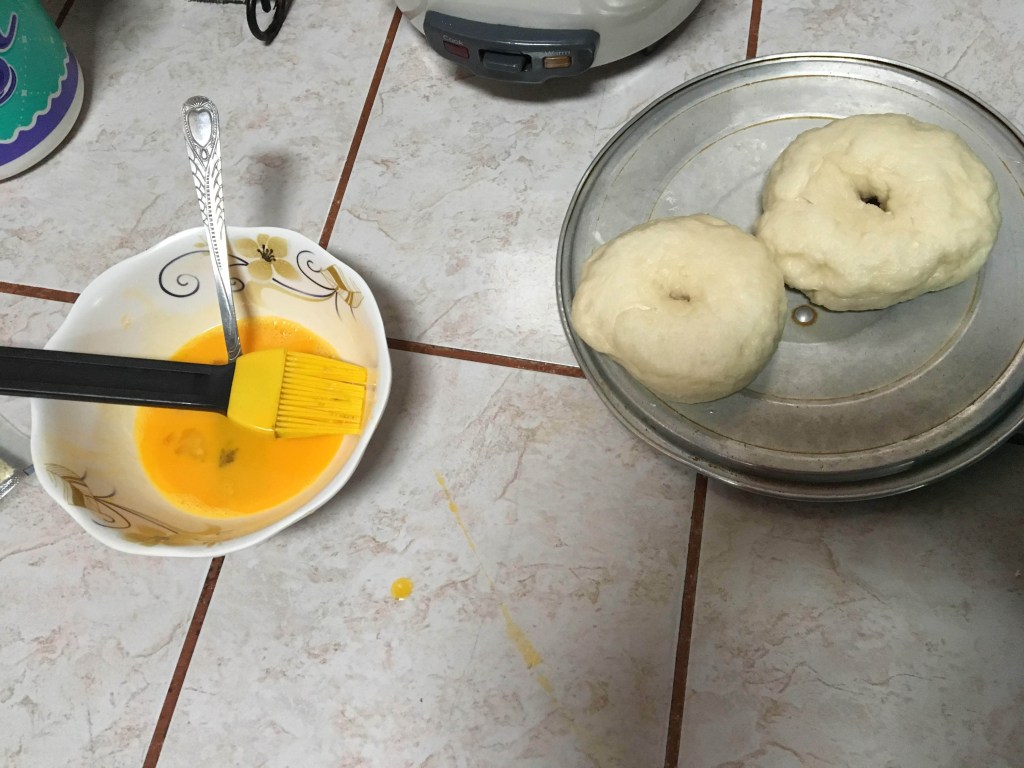
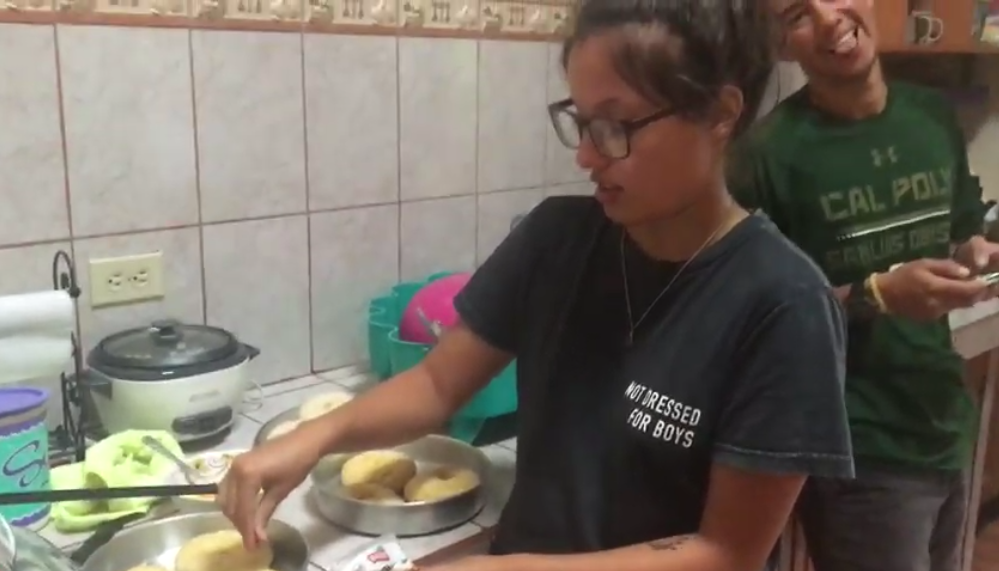
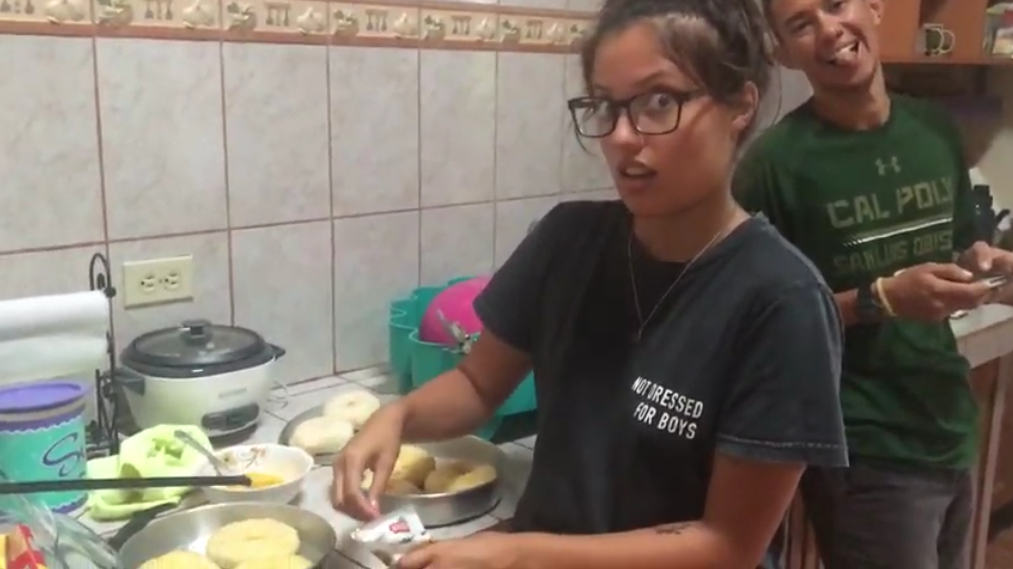
11. Once all the bagels have boiled (and have been topped with your choice of toppings), transfer them to a lightly oiled baking sheet. Bake for 20 minutes, until golden brown.
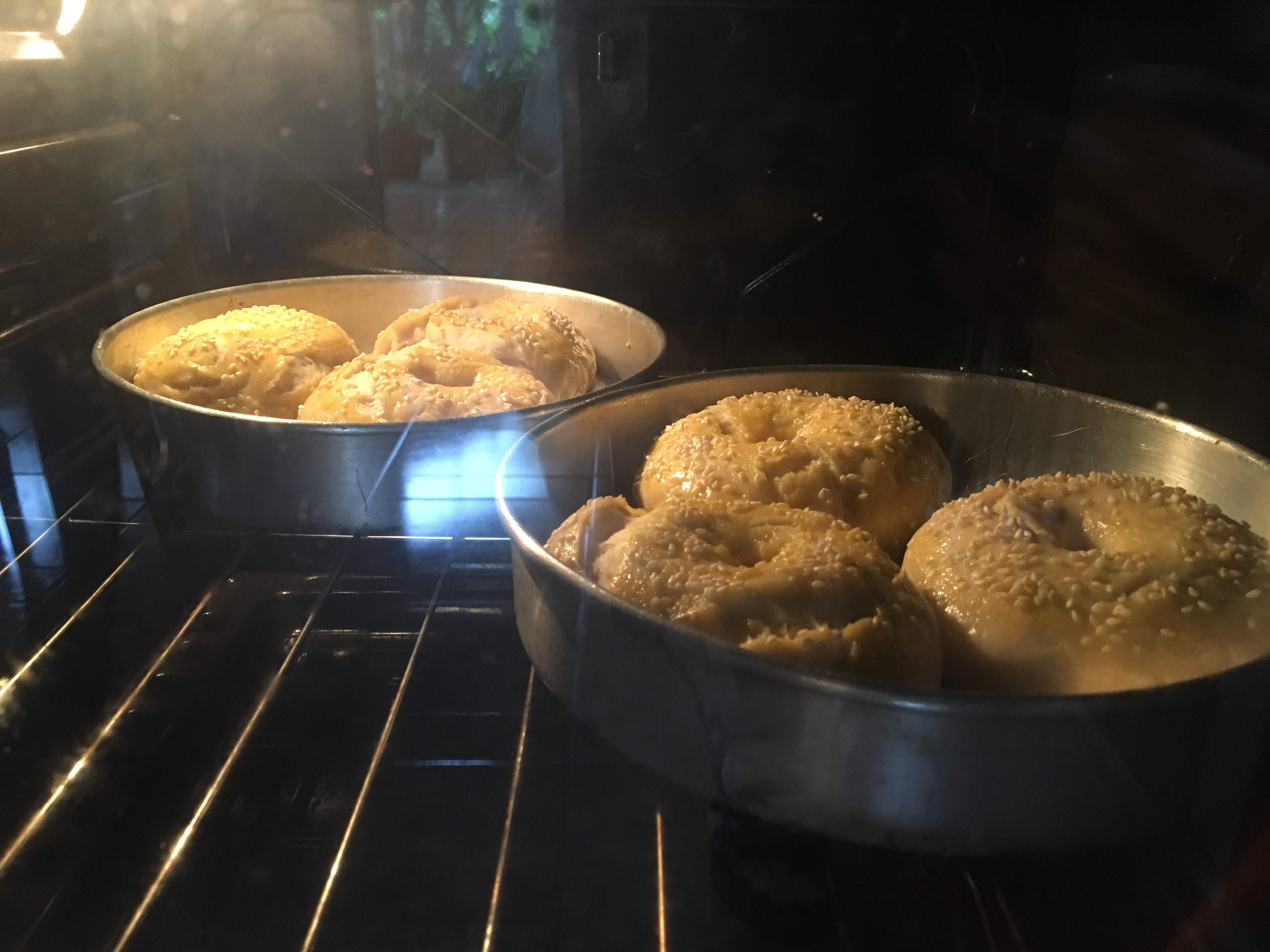
12. Cool on a wire rack and enjoy!
 820 Days of Pura Vida