This blog is late considering that I’ve been living in an apartment by myself since April 2018. ANYways.
Peace Corps service is a 27 month commitment, broken down into two parts: 3 months of training upon arrival in your country of service, and 24 months of service in your assigned site.
In Peace Corps Costa Rica (PCCR), during our pre-service training all volunteers live with a host family. They are typically our first connection in the country that we will be calling home for the next 27 months. Beyond this, they help PCVs with language and cultural training in countless ways that couldn’t be accomplished in a traditional classroom setting. They support us and encourage us as we wade our way into the waters of Costa Rican culture.
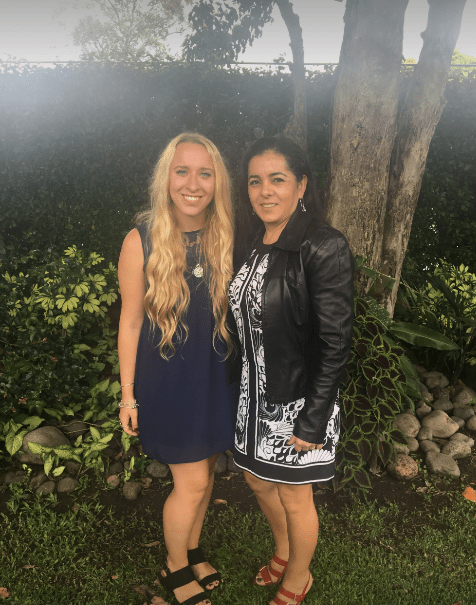


After training, volunteers are assigned to the communities that they will serve in for the next two years. In PCCR, volunteers are required to live with a host family for their first six months in site. This allows us to build connections with locals, integrate into our community, improve our language skills, and (si dios quiere) form a support network in site. After that point, volunteers may choose to continue living with their host family or move out and live on their own.
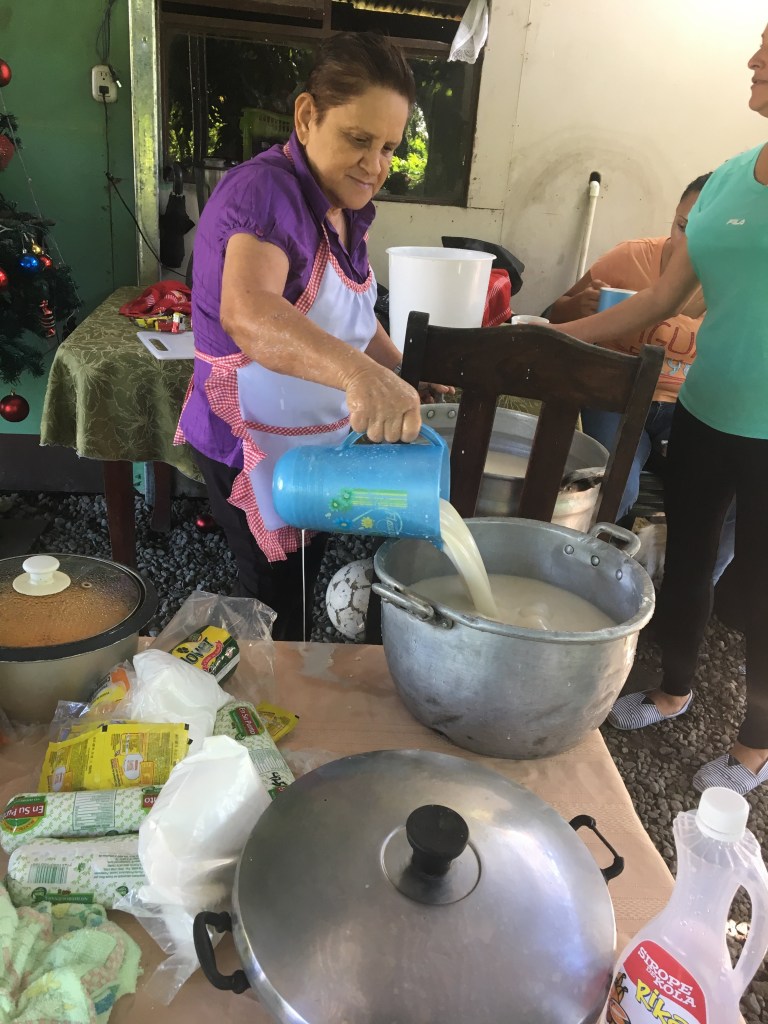
Host mom, Eudolia 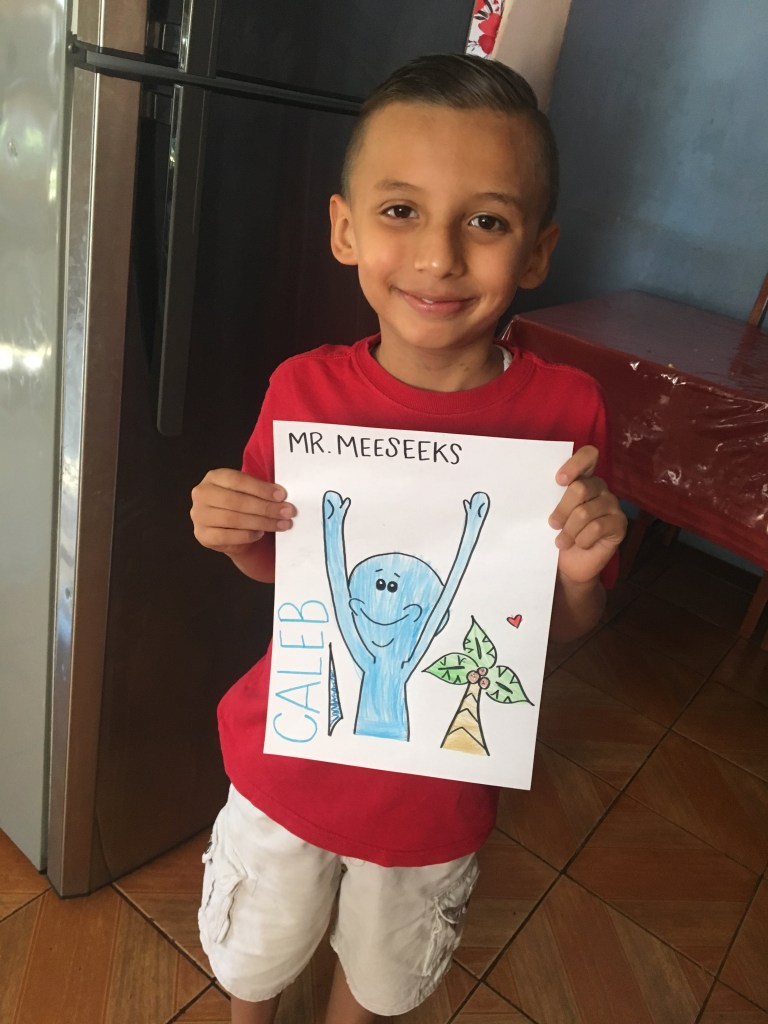
Host nephew, Caleb
My host family is a second home for me. My host mom raised a tiny village (10 kids!) who have all grown and have kids of their own. My host siblings Helder, Carlos and Olga own and work in the bakery that I sit in at least once a week for a good cup of coffee (and that #wifi). I’m greeted with a warm hug and smile from my host sister Yamileth every day in the halls of the school I work in. Walking into town I often see my host brother Chico waving and zooming by in his truck to get to one of the houses where he’s working on a carpentry project, or my host brother Luis working with the AyA on waterlines on the side of the road. I teach more than a handful of my host mom’s grandchildren at the high school and help the little ones in elementary school study for their English exams. I knew from the moment I walked into my mom’s house that I was welcome and loved, which is something I will always be grateful for.
Despite how positive my experience living with my host family was, I knew that as the 6-month mark approached that I would be ready to look for a place of my own. Having grown up in a culture that values independence and personal space, and after living under a roof with families for the last 9 months, I was excited to take the next step in my service and start fresh in my own space.
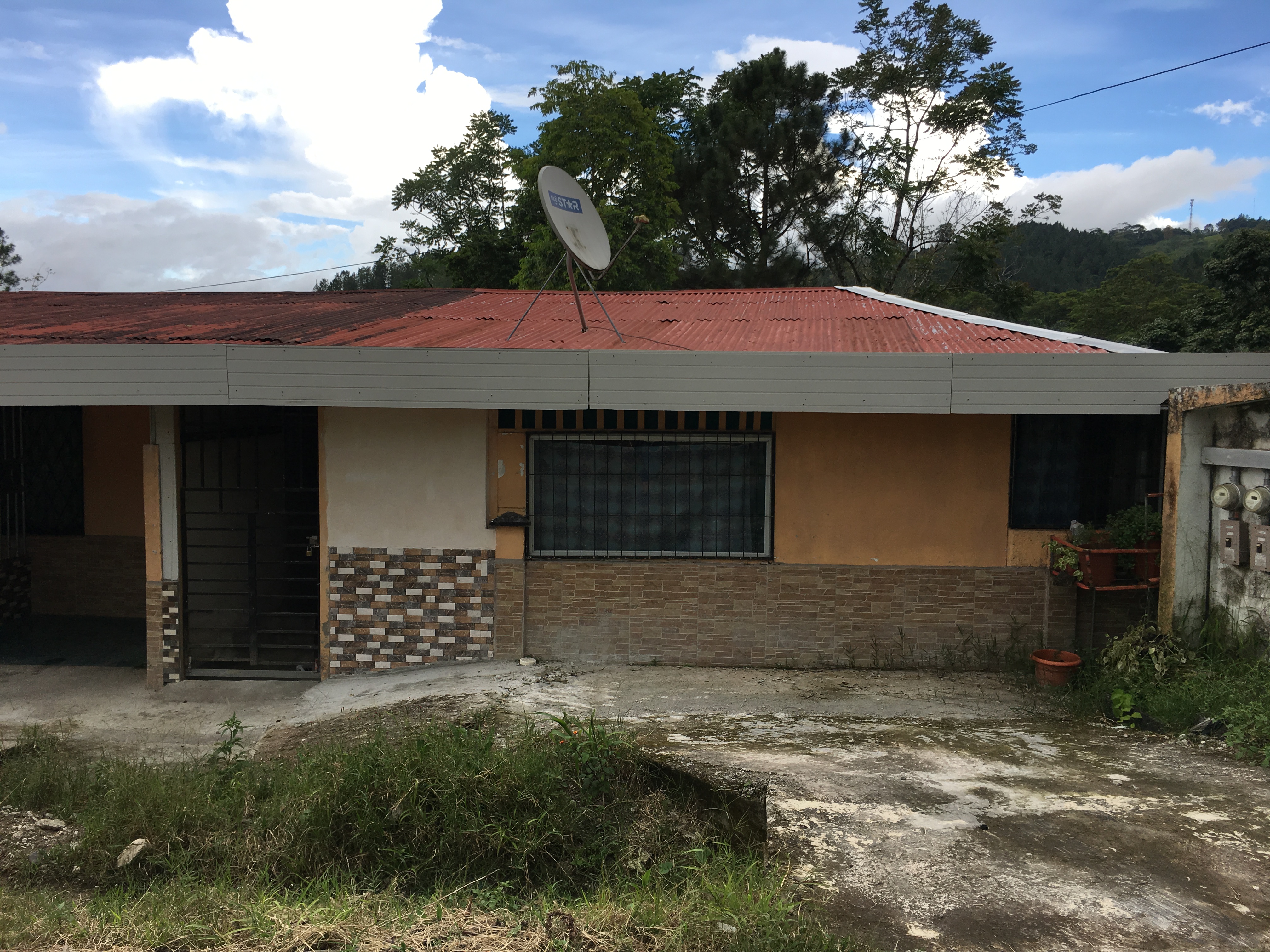
Finding an apartment in San Vito was easier than I expected. San Vito is a big-little town that has at least one “SE ALQUILA” (for rent) sign up on nearly every street. Luckily, my counterpart Johnny had a friend who was renting a place that is both close to my host family AND across the street from the school where I work. Extra bonus, at only 50.000 a month with water included, the price of rent was lower than I had budgeted for (= $86 USD a month, and the lowest I will ever pay for rent).

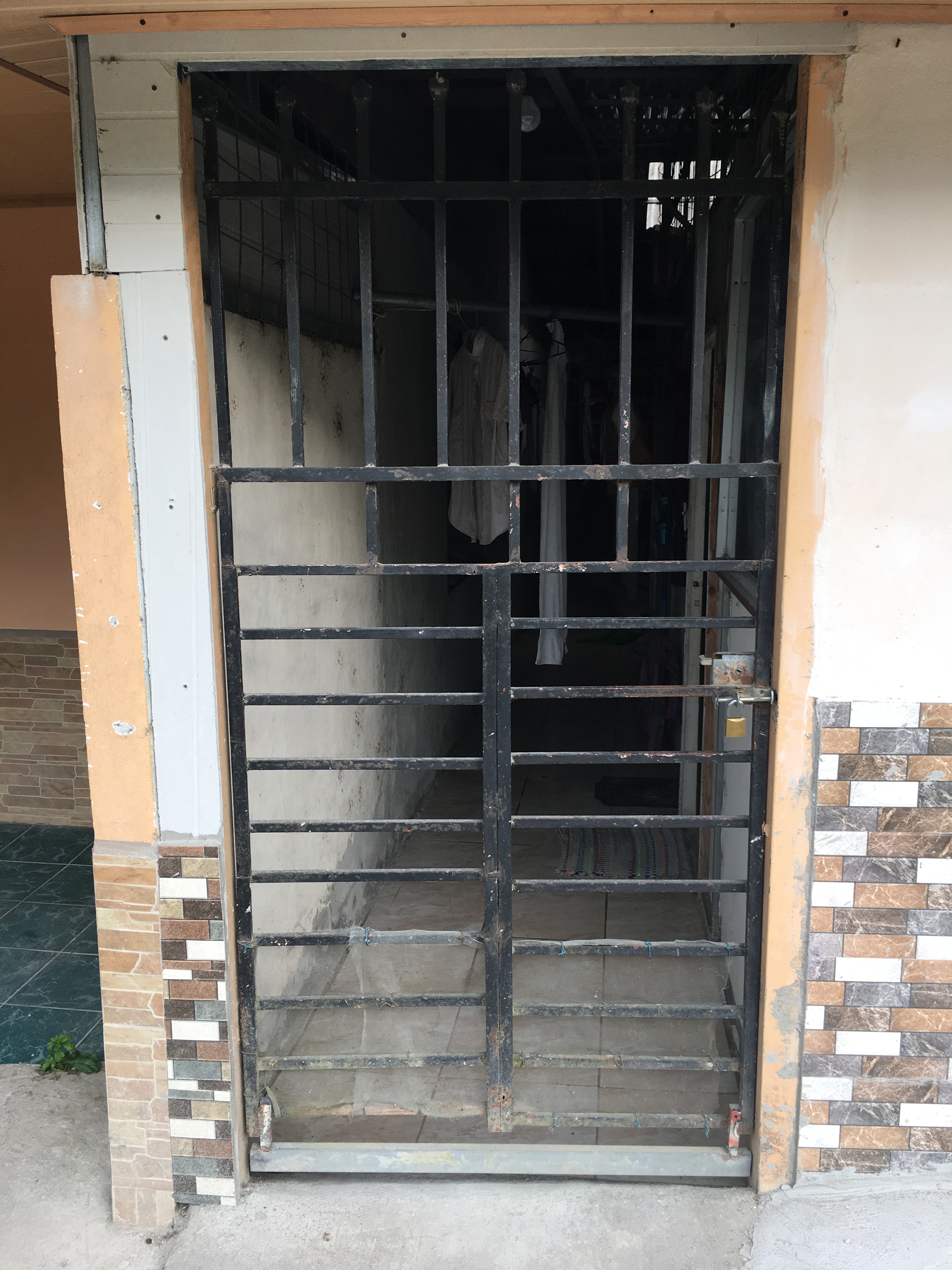
In PCCR one of the security requirements for housing is that there must be bars on the windows. This is standard in Costa Rica; if you walk up and down any street, you’re likely to see bars on the doors and windows of most homes and businesses. Even though I feel safe in my site, now that I’m living on my own, it puts my mind at an extra level of ease to know that I have that additional layer of security.
One afternoon, long before I had moved out of my host family’s house, a friend and fellow teacher, Wainer, took me to pick up a dog at his mom’s house in Golfito. When we arrived, his mom took me on a tour of their backyard, which was filled to the BRIM with starfruit, coconut, mango, papaya and avocado trees that were swelling with fruit. They sent me home with a stem of coconuts, two liters of fresh coconut water, and a grocery store bag full to the top with avocados. I told myself that when I moved to my own apartment that I had to find a place with a yard and green space.
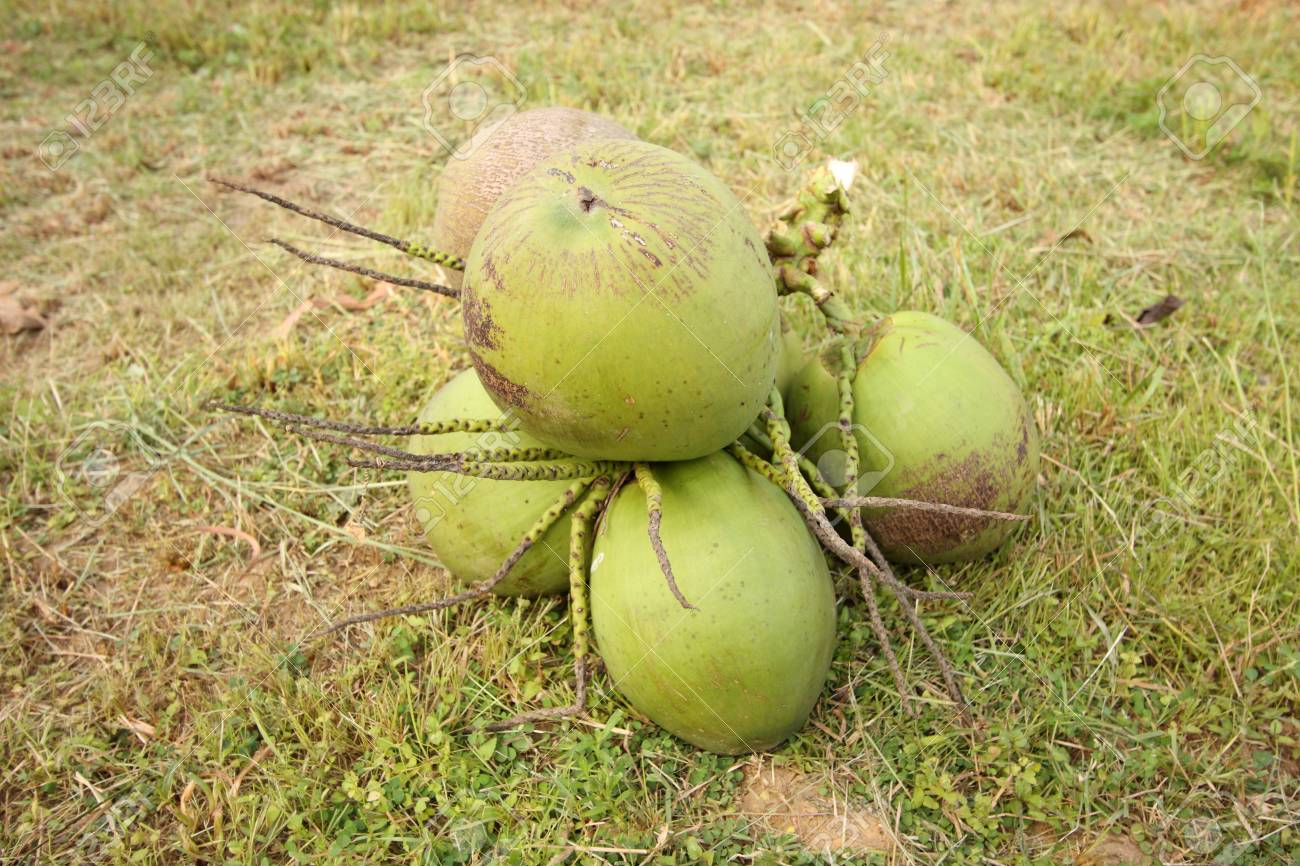
Cluster of coconuts 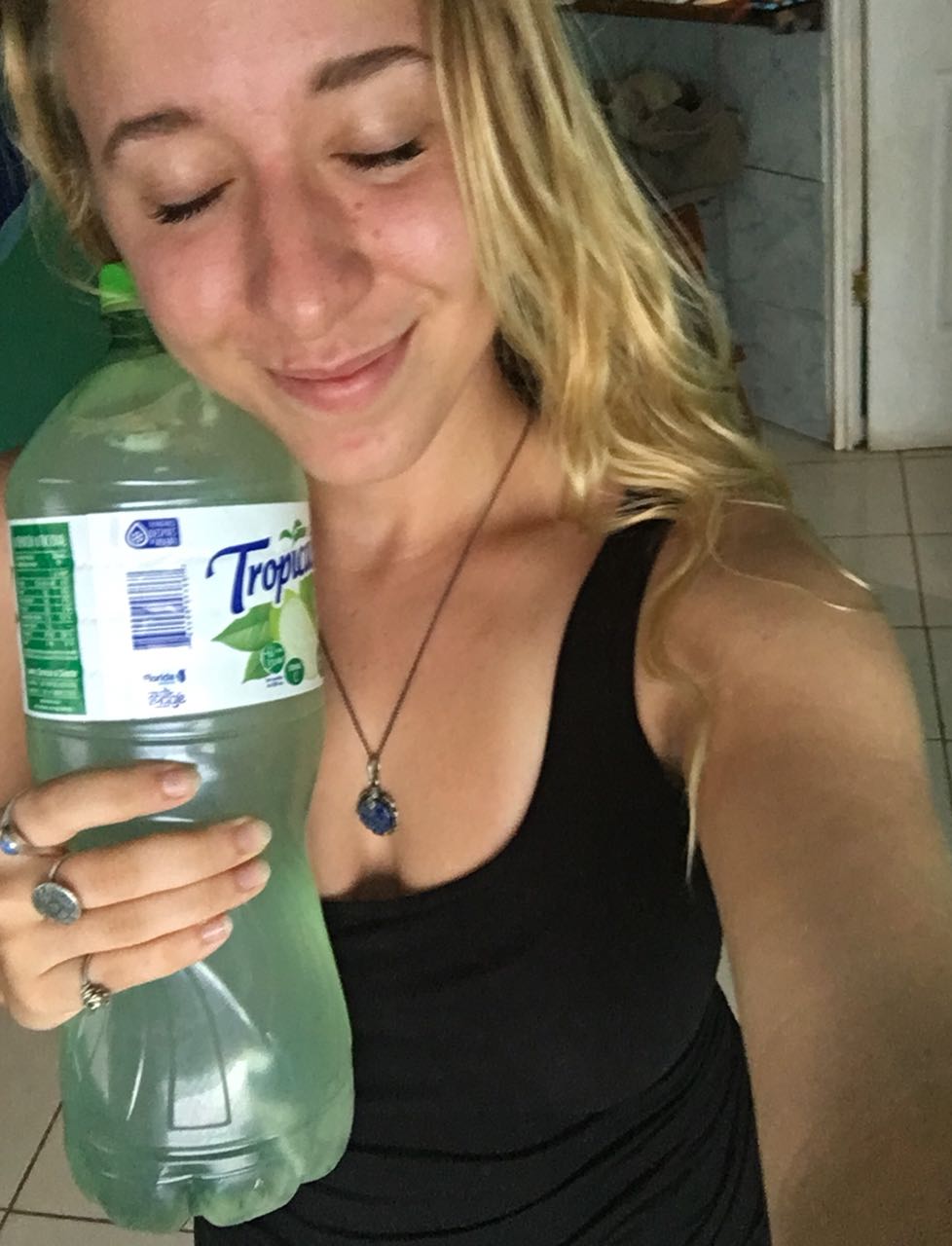
Agua de pipa
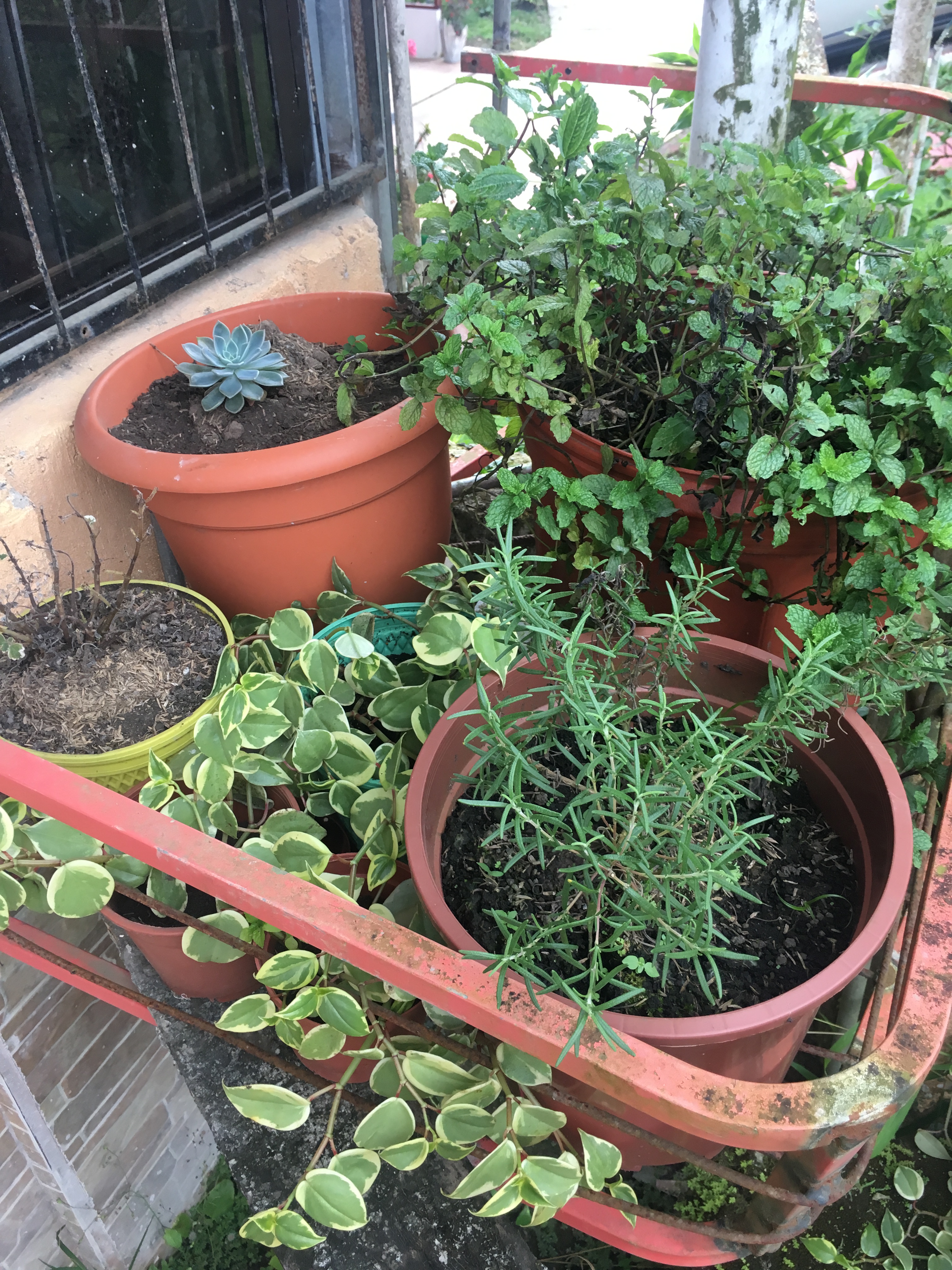
Naturally, life decided that this wasn’t in the cards for me and instead stuck me with a place that has exactly 1 square foot of green space. Despite my dreams of reaching out the window in the morning to gather breakfast sponsored by a mango tree being crushed momentarily delayed, this little green patch of hierba buena, romero (rosemary), and a few other matitas has done its job in making my heart happy for the time being.

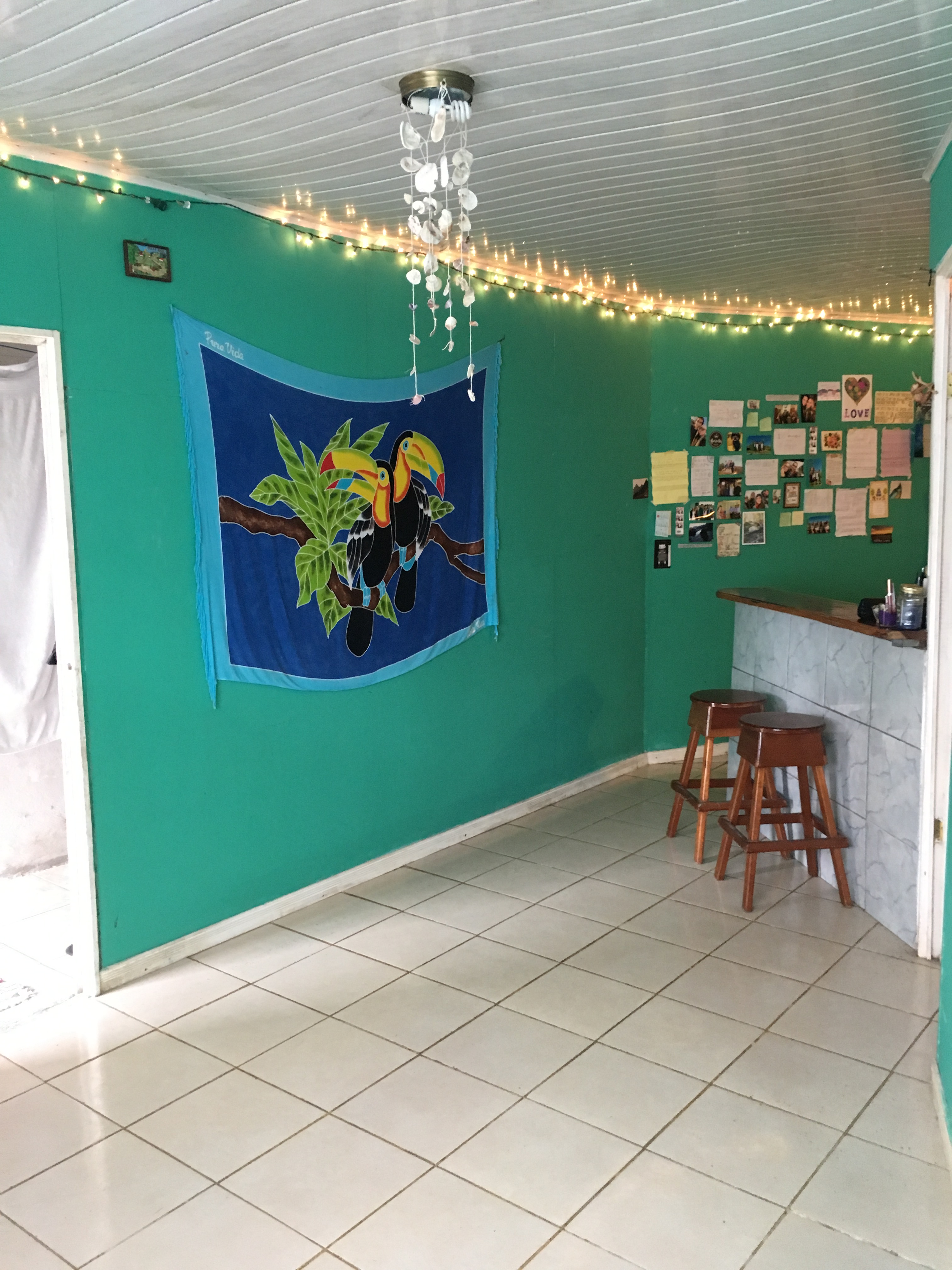
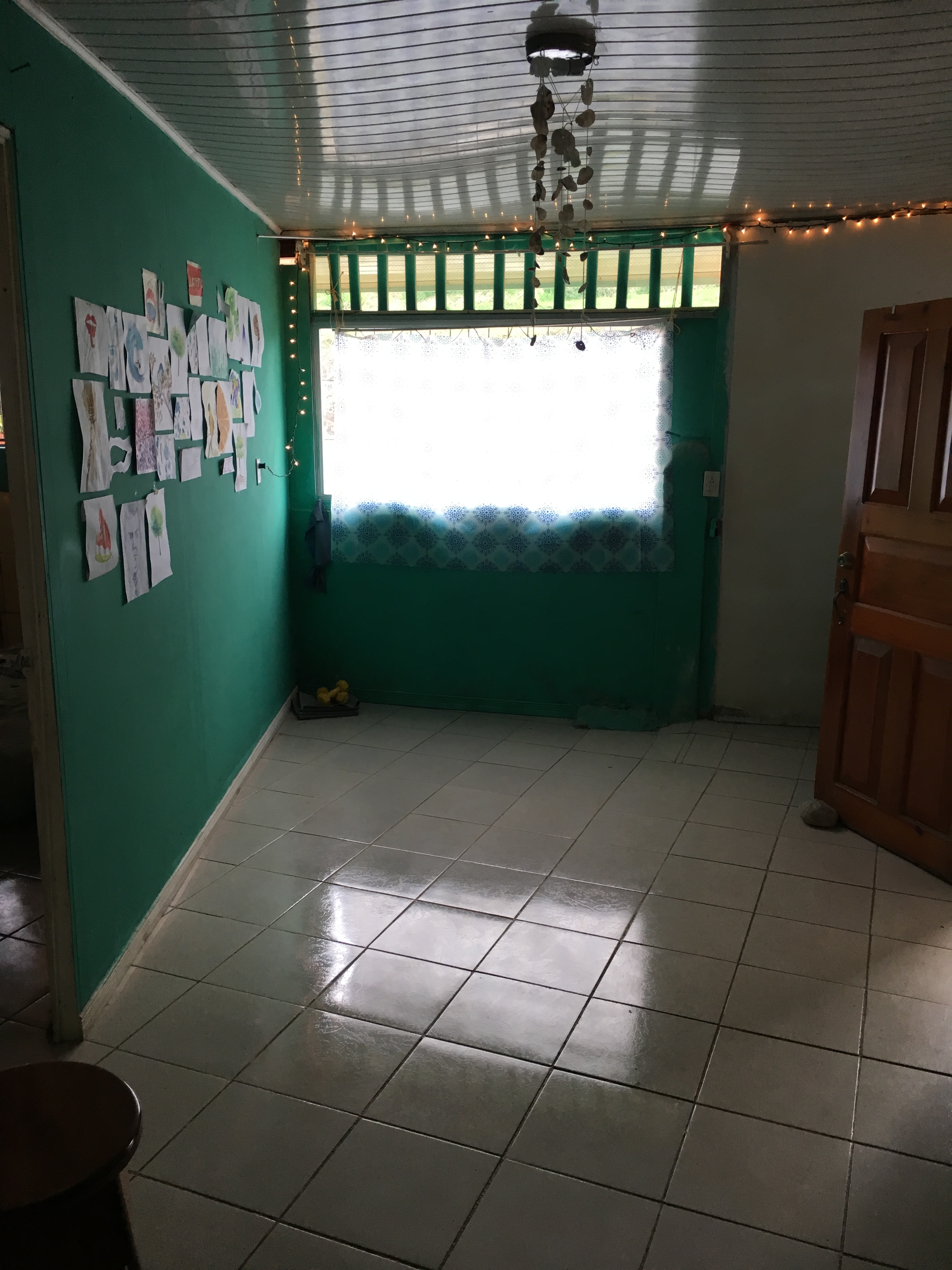
El salón. Common area/workout studio/guest bedroom:


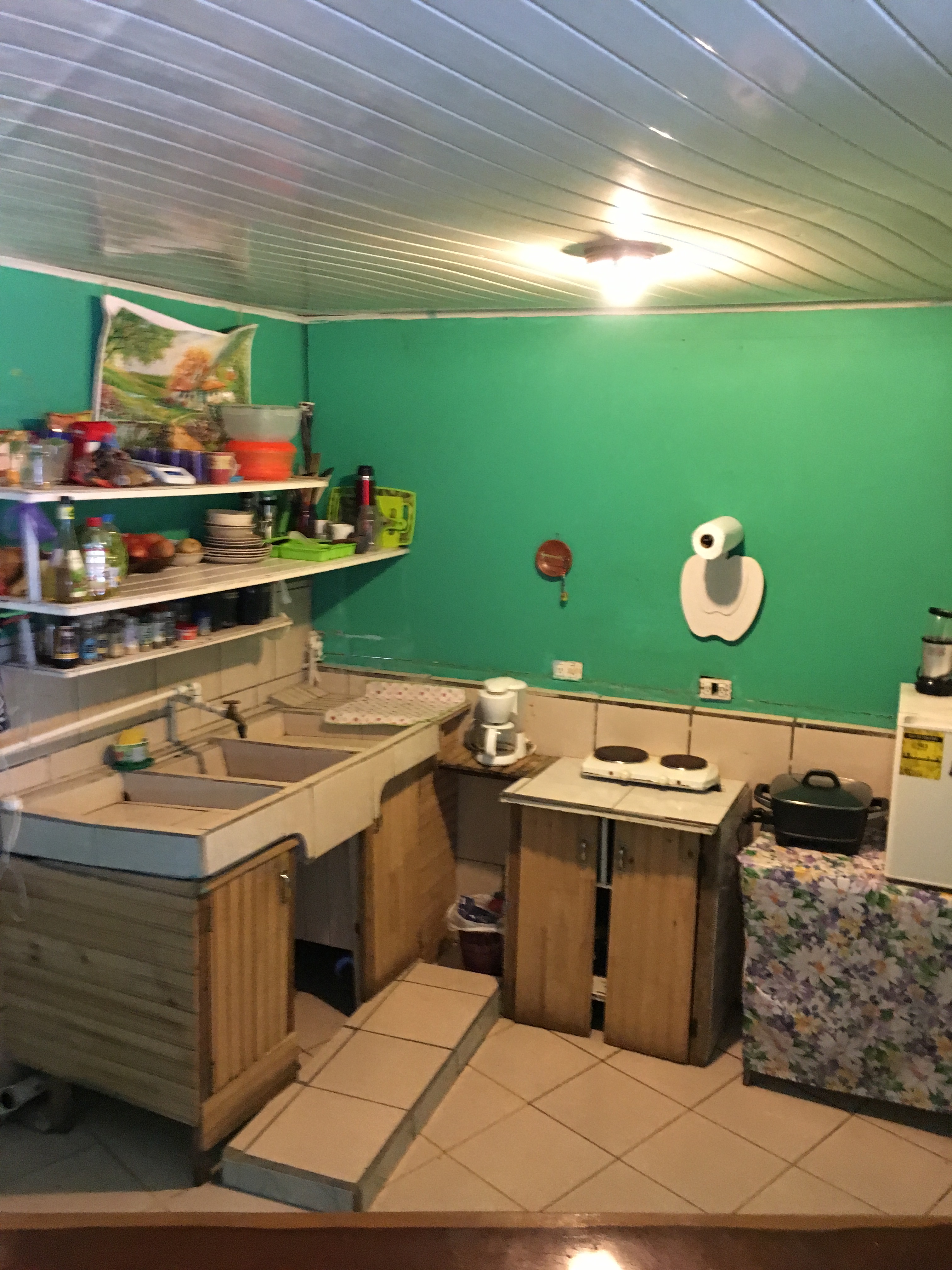
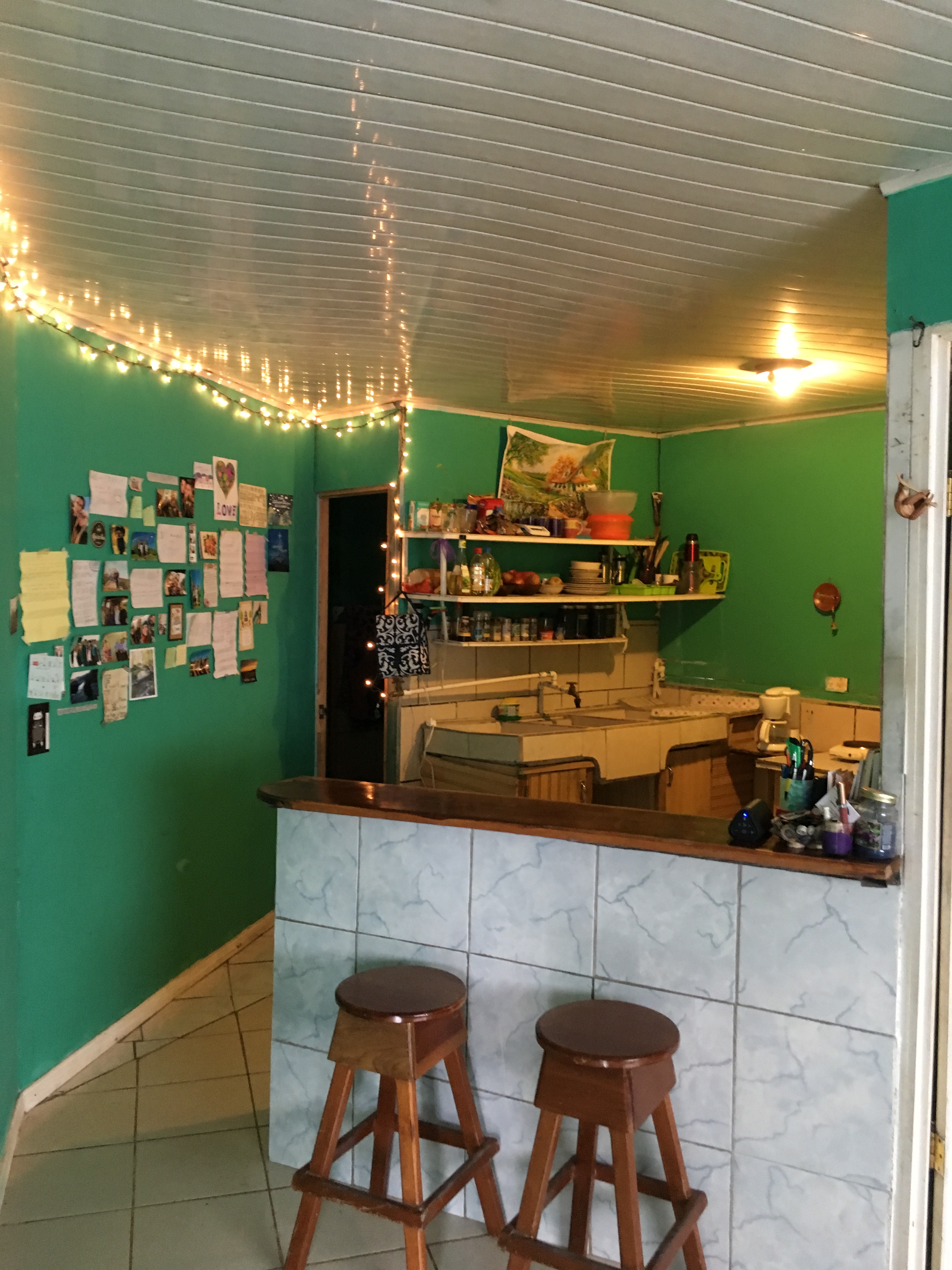
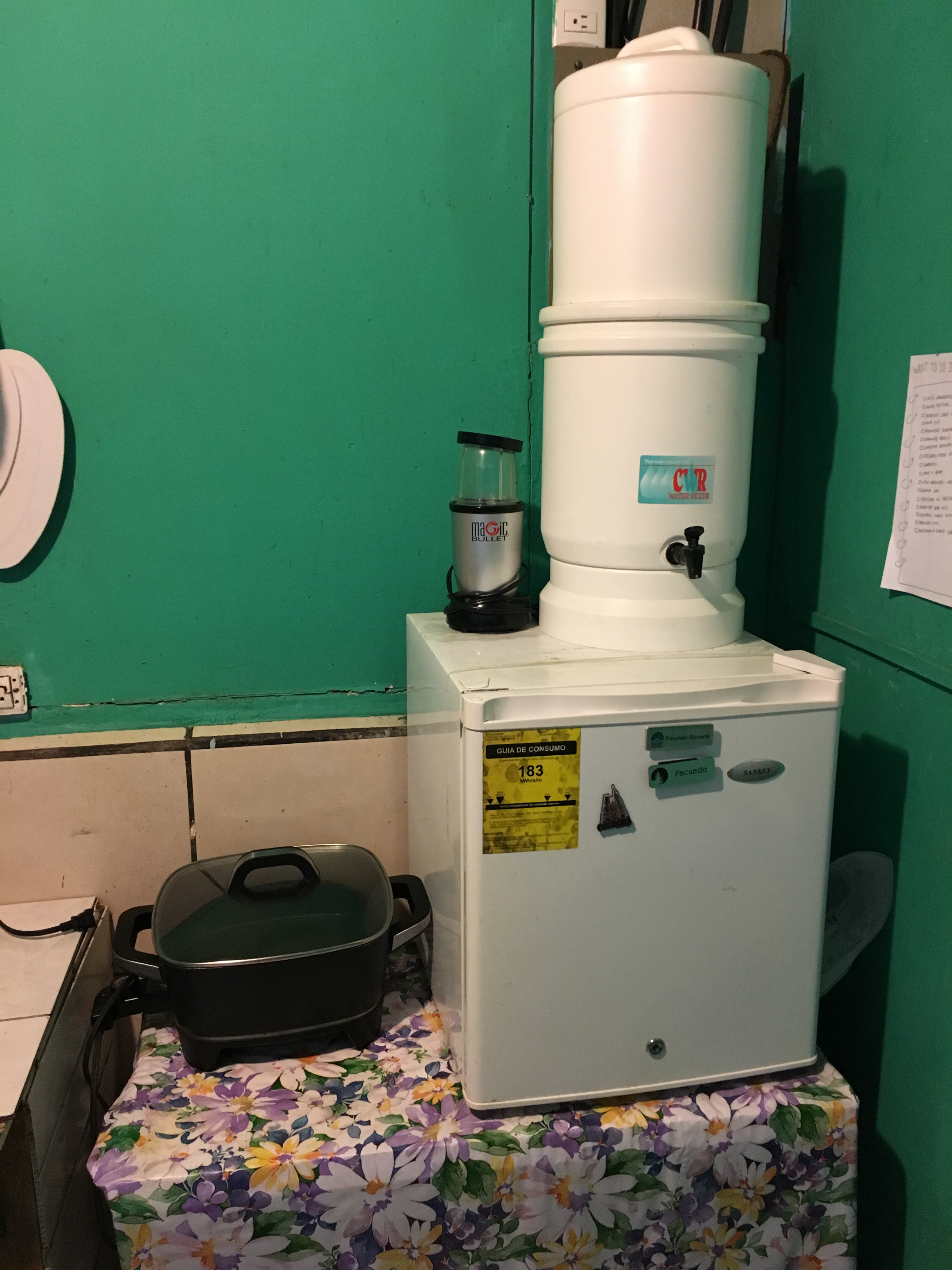
La cocina. The white bucket on top of the fridge is a water filter. In Costa Rica we are lucky because the water is potable; you can drink water out of nearly any tap in the country. In San Vito we get our water directly from the mountains, and it’s some of the purest in the country. In my apartment, this filter is used less for fear of contamination and more for water storage cuando el agua se va (when the water goes out), which happens at least once every other day for at least a few hours.
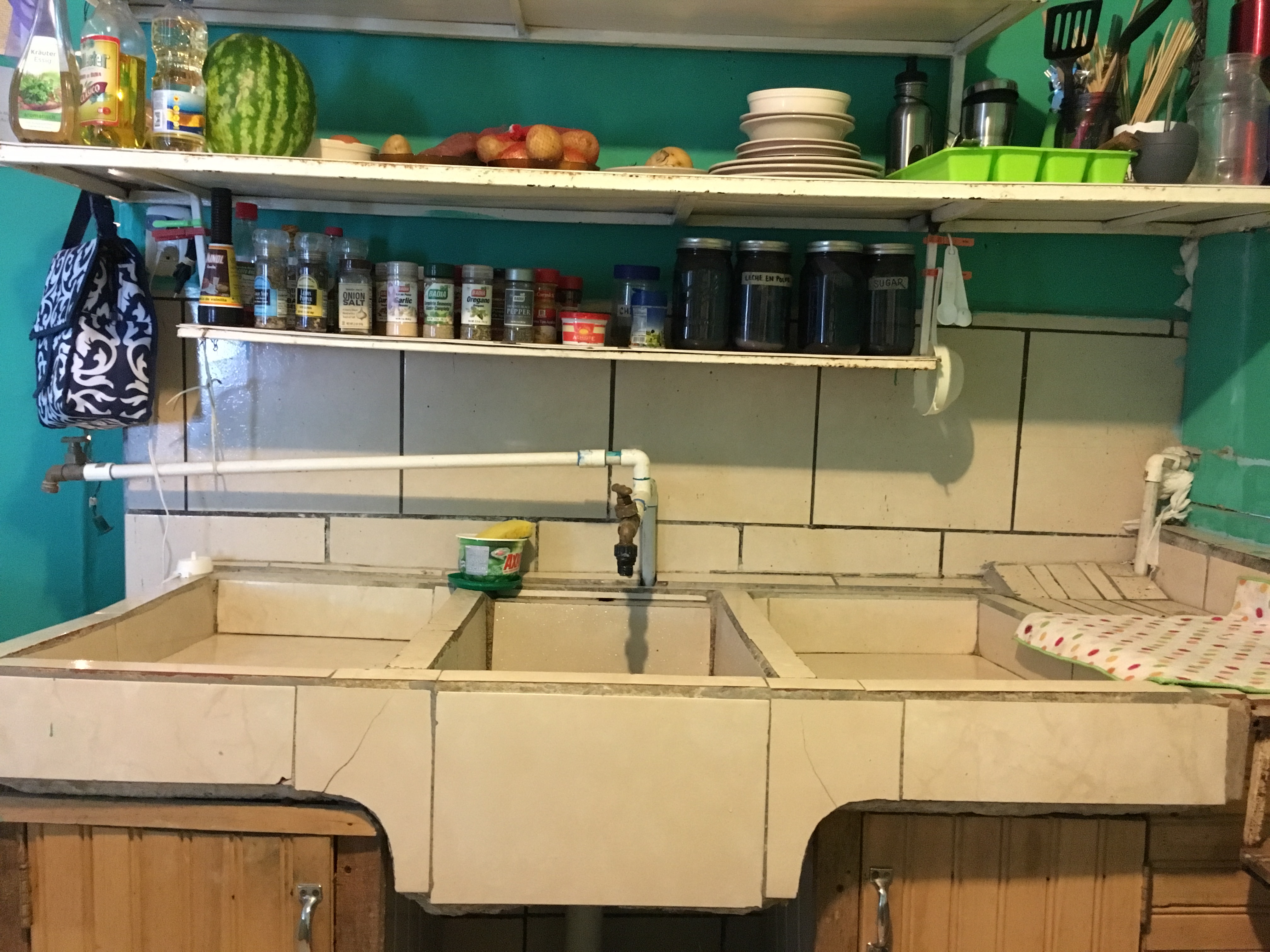
La pila. Most homes in Costa Rica have this larger sink, called a pila, either inside or outside of the house.

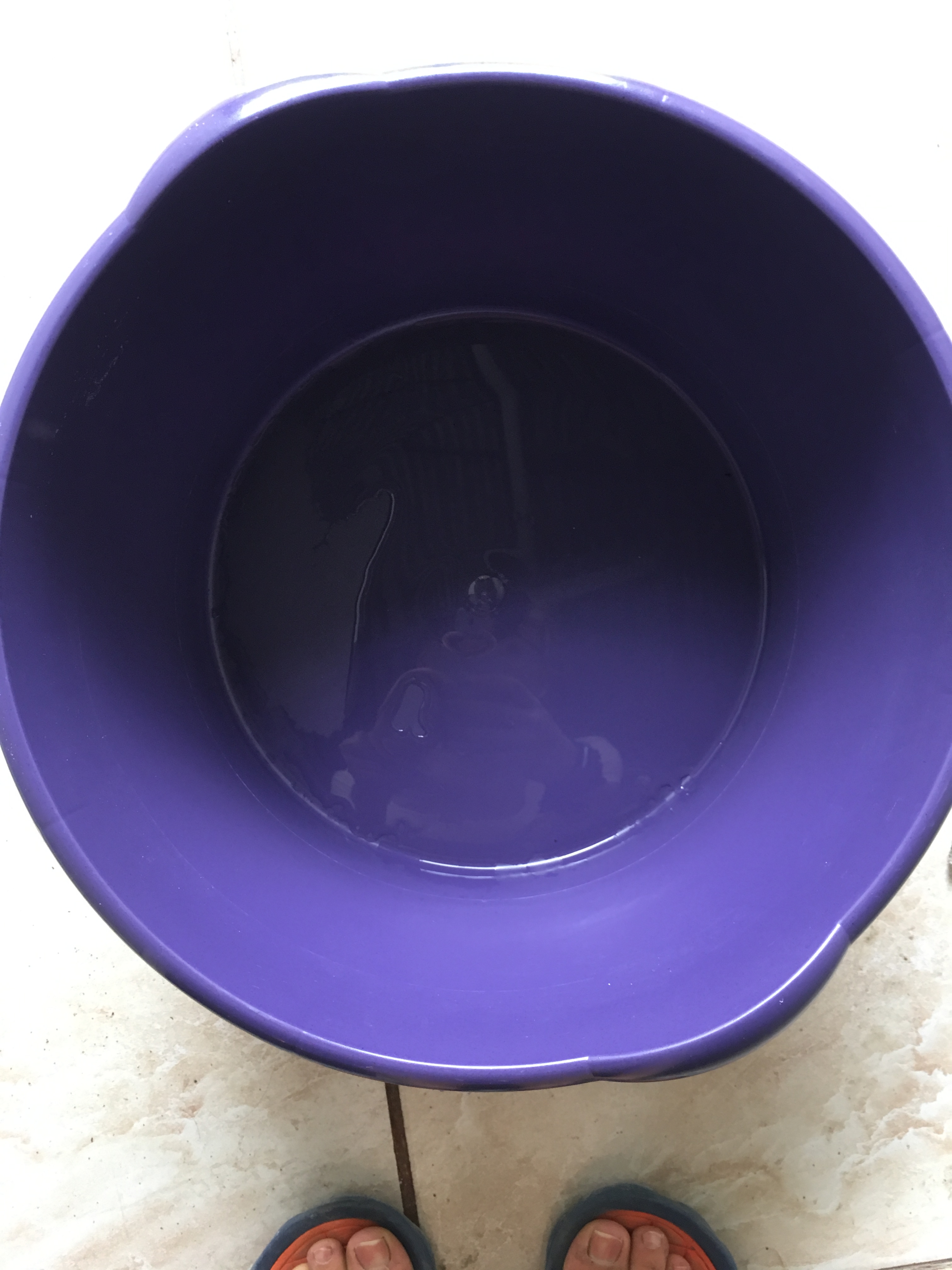
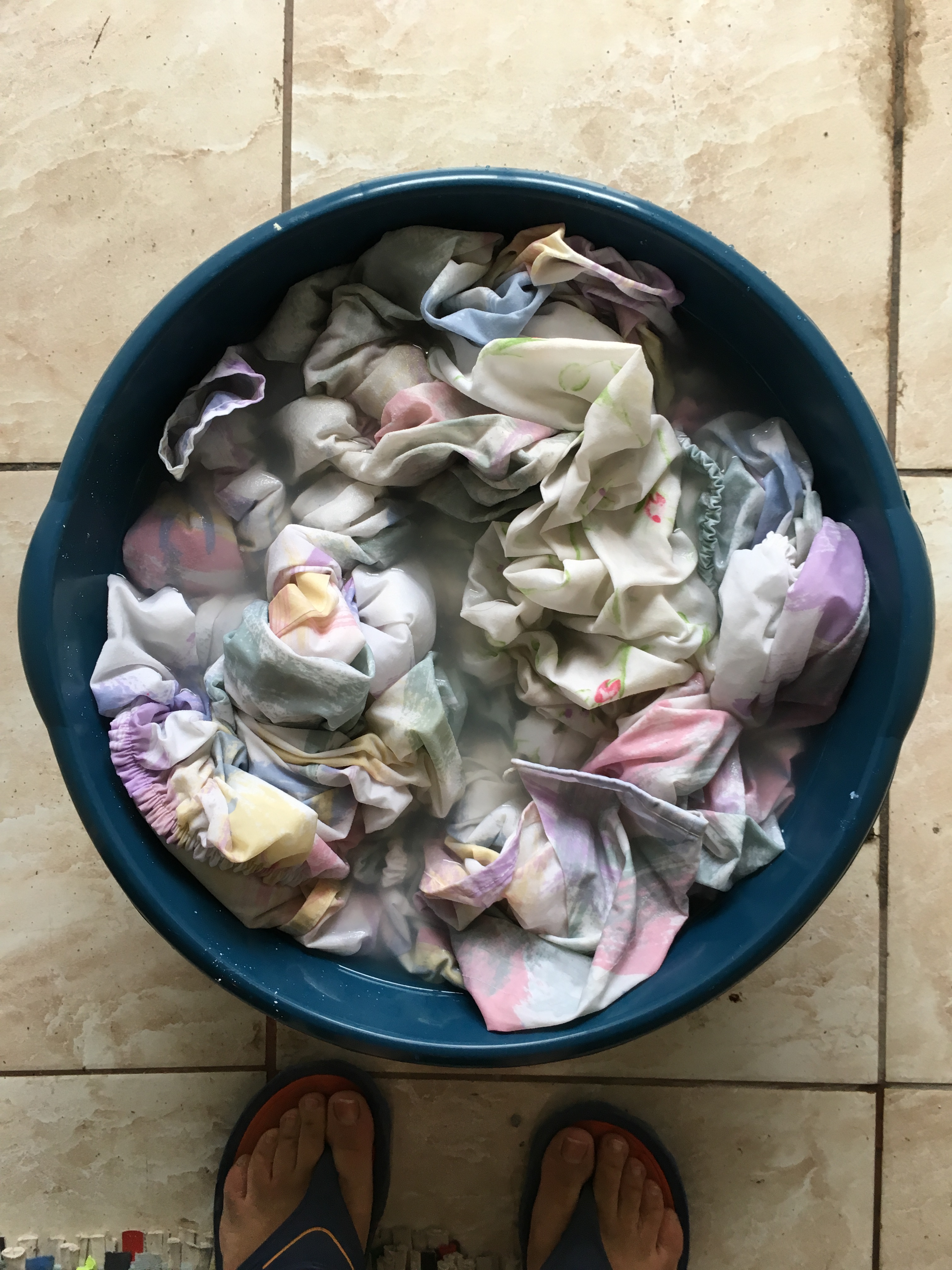
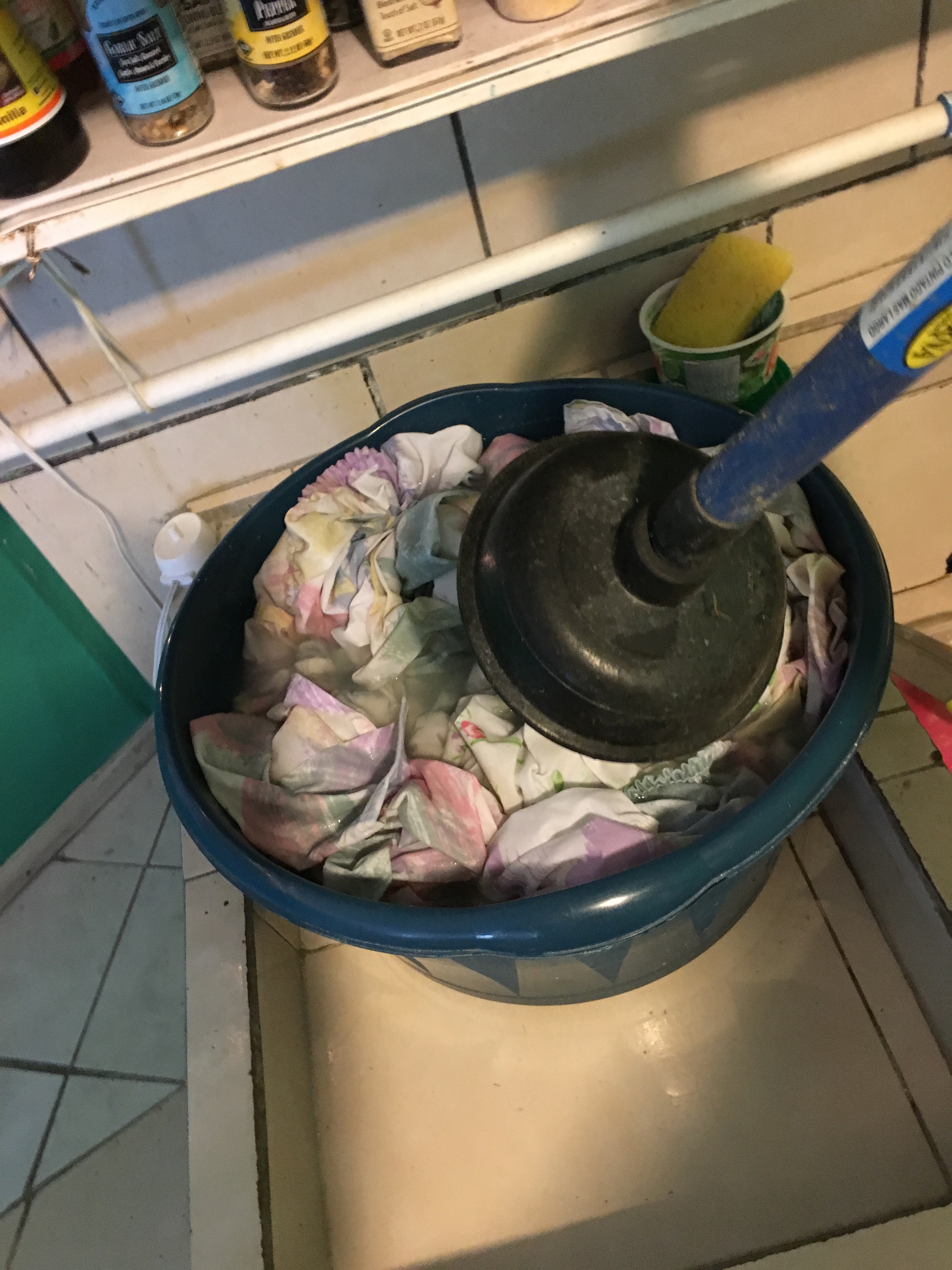
La lavadora (the washing machine). Yes, that is a plunger.
El baño. In Costa Rica, due to weak plumbing systems, instead of flushing toilet paper, next to pretty much every toilet you’ll find a small trashcan to discard your TP.


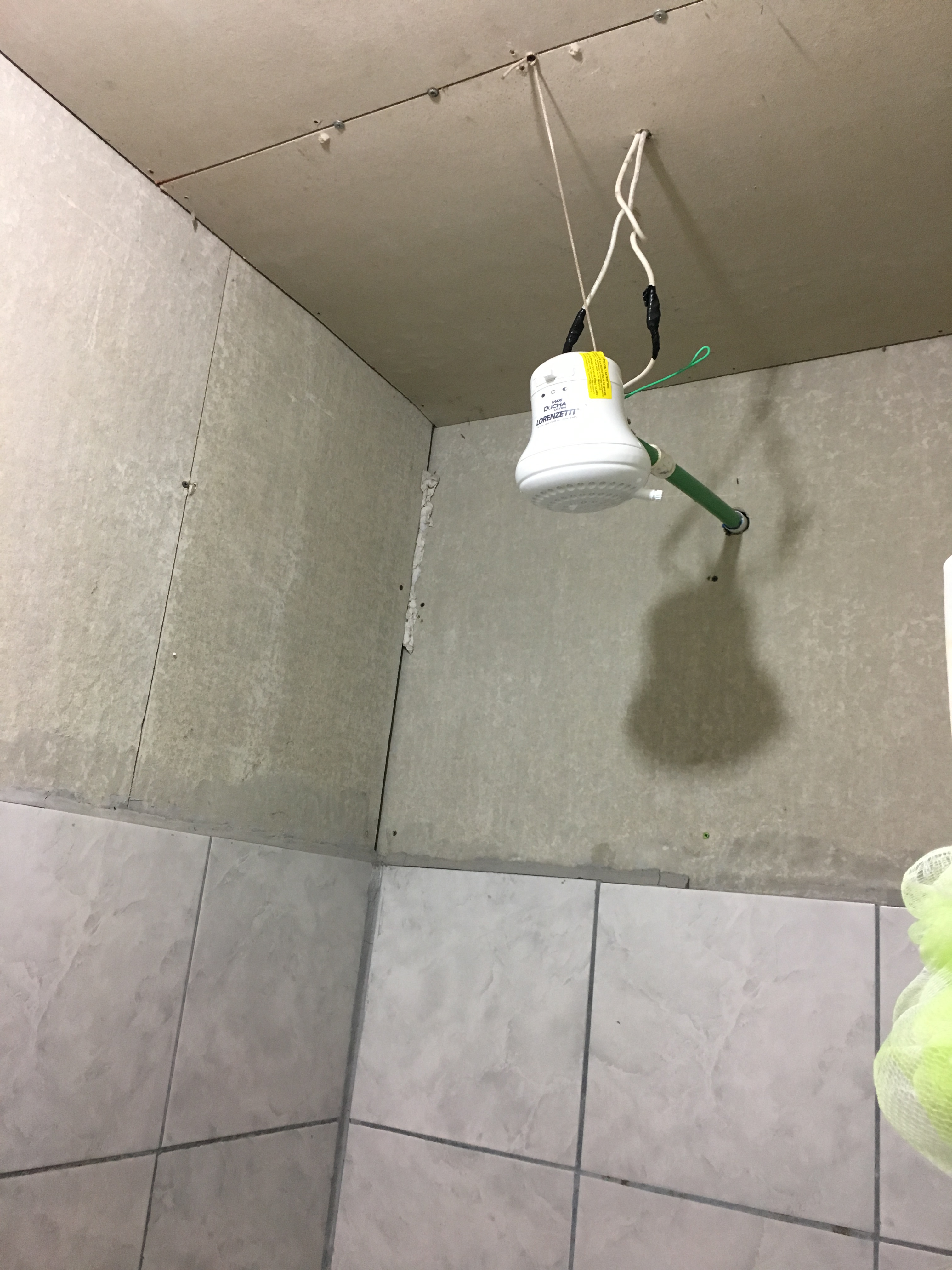
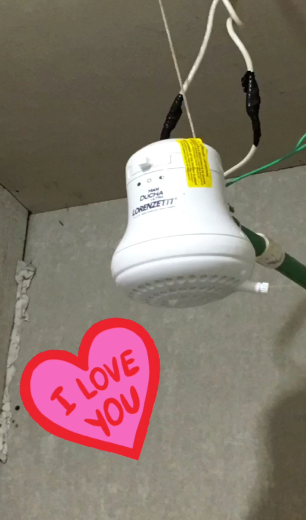
My favorite electro-domestic item. Despite the occasional jolt it gives you when you turn it on, it’s a well-worth it exchange for the steamy warm water that this little chunche produces.
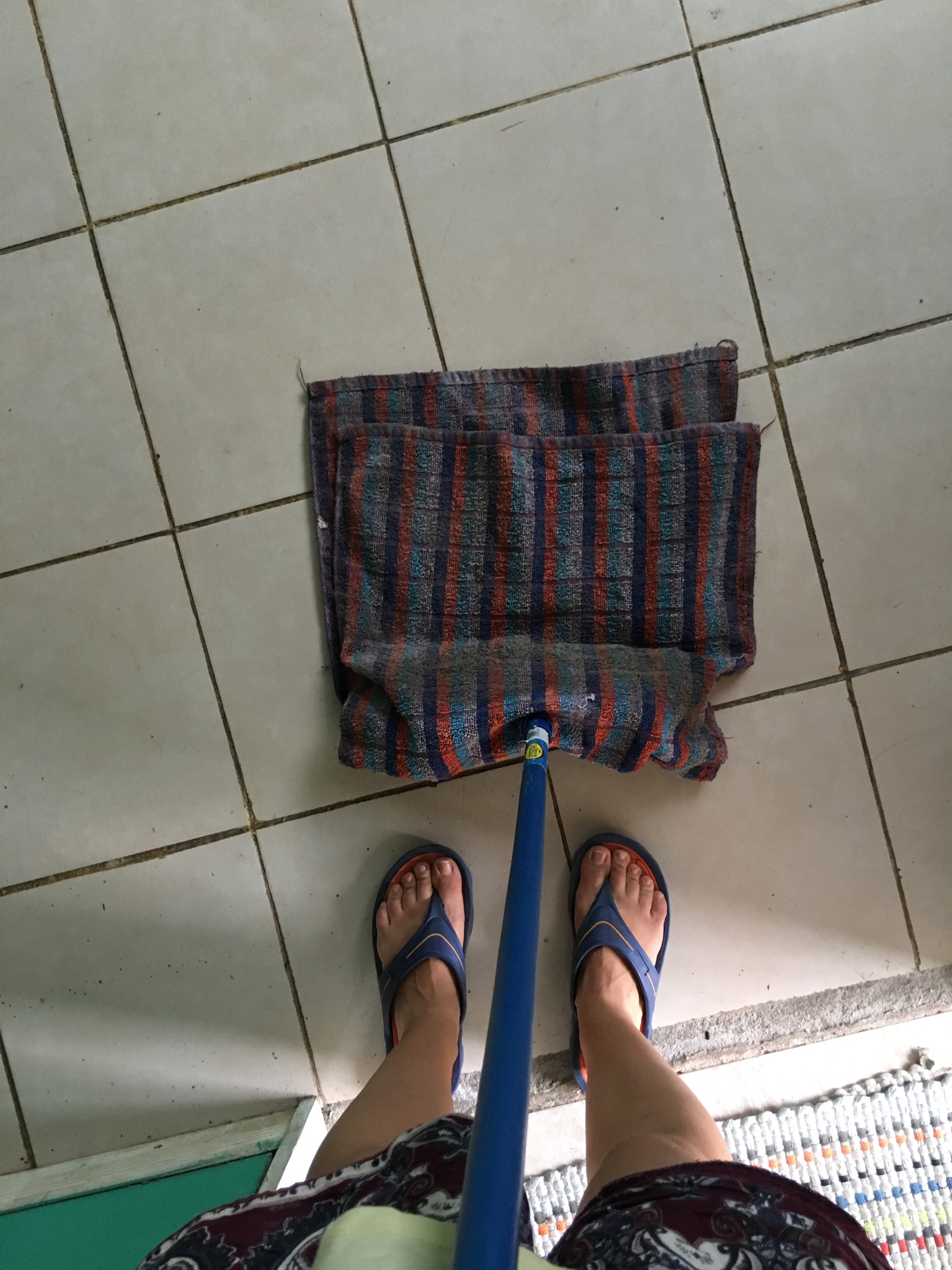
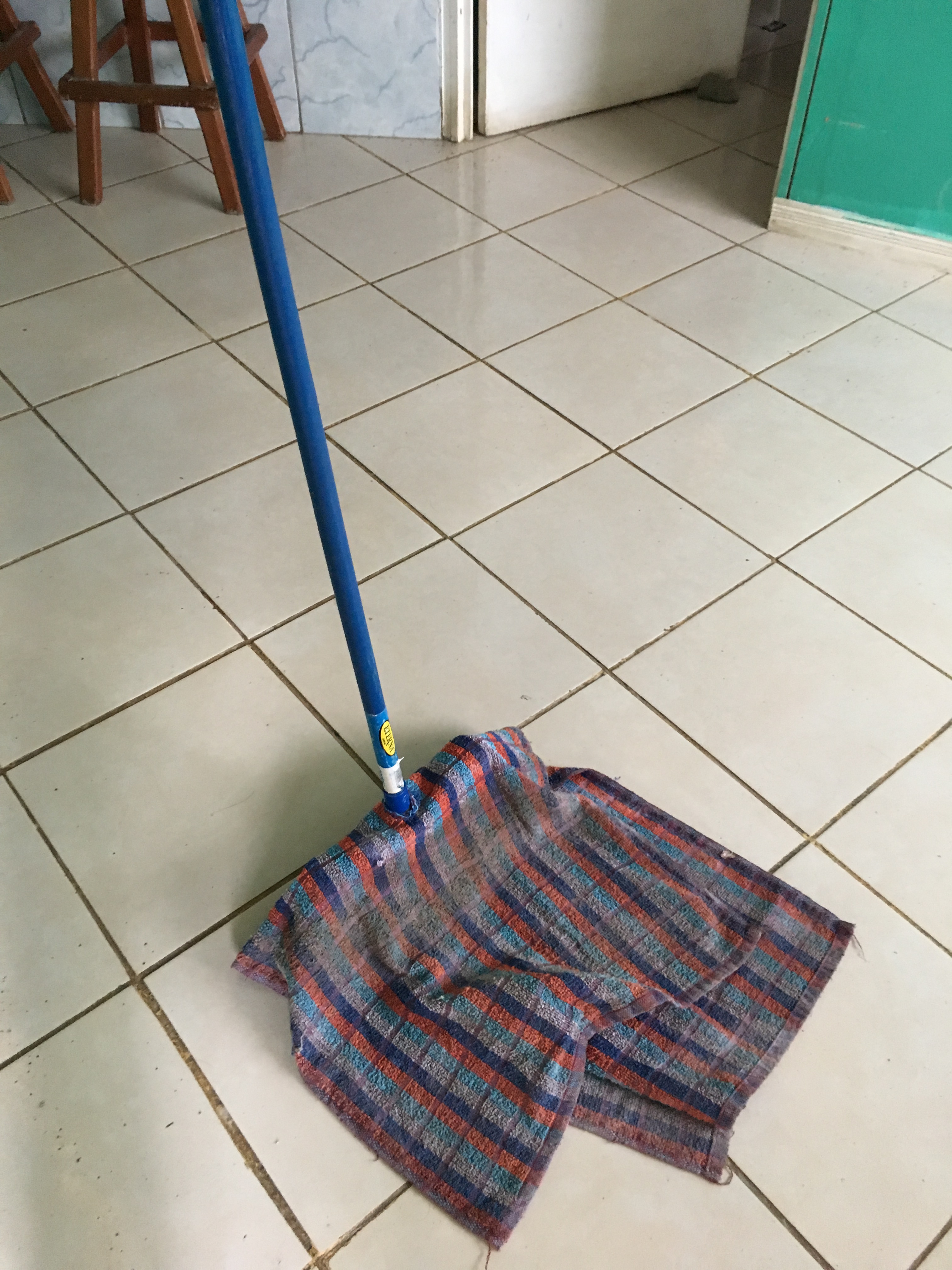
Tico mop:
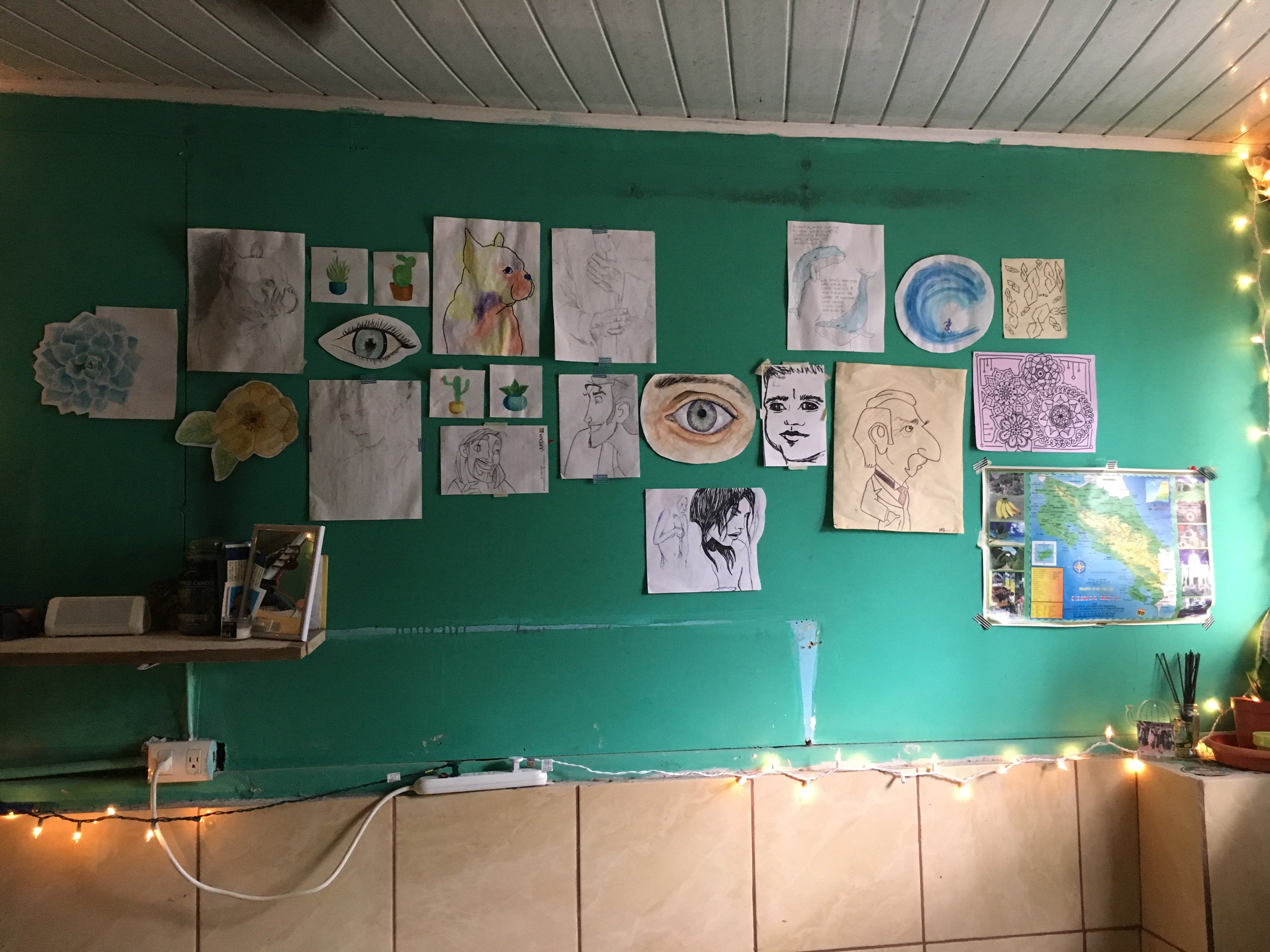
A few fun places in the house that are the product of self-exploration through hobbies and friends and loved ones leaving their marks on the space:
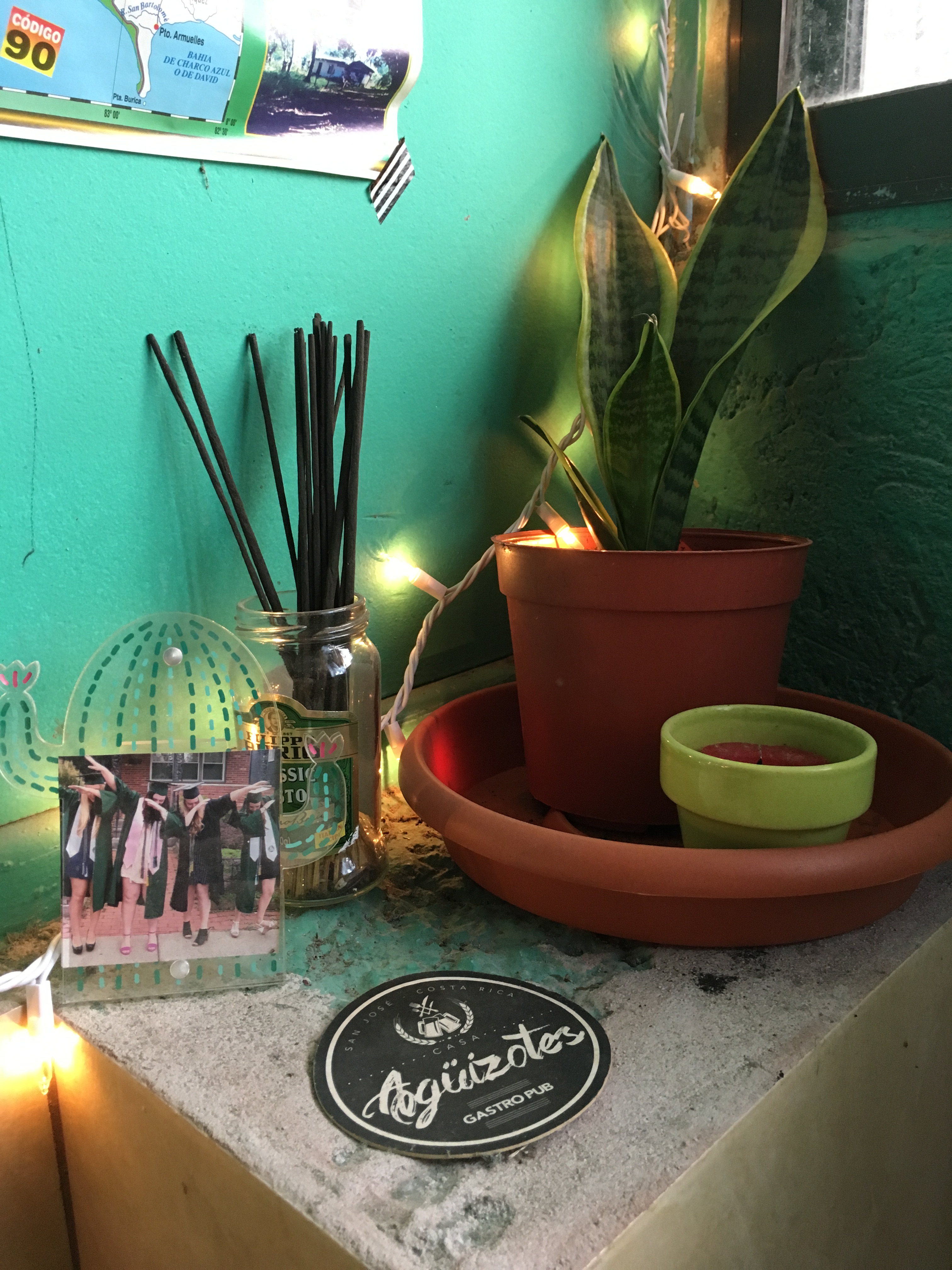
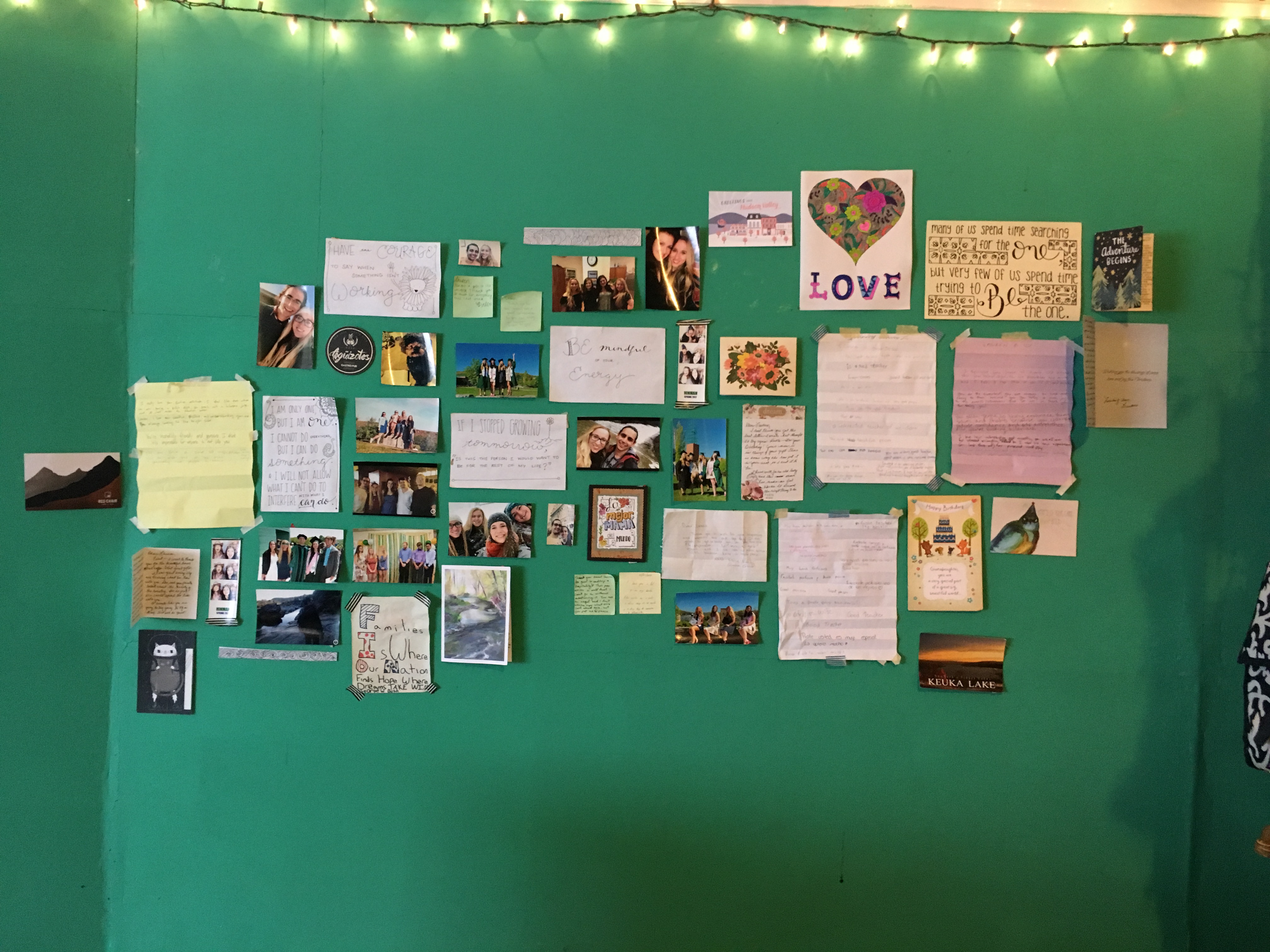
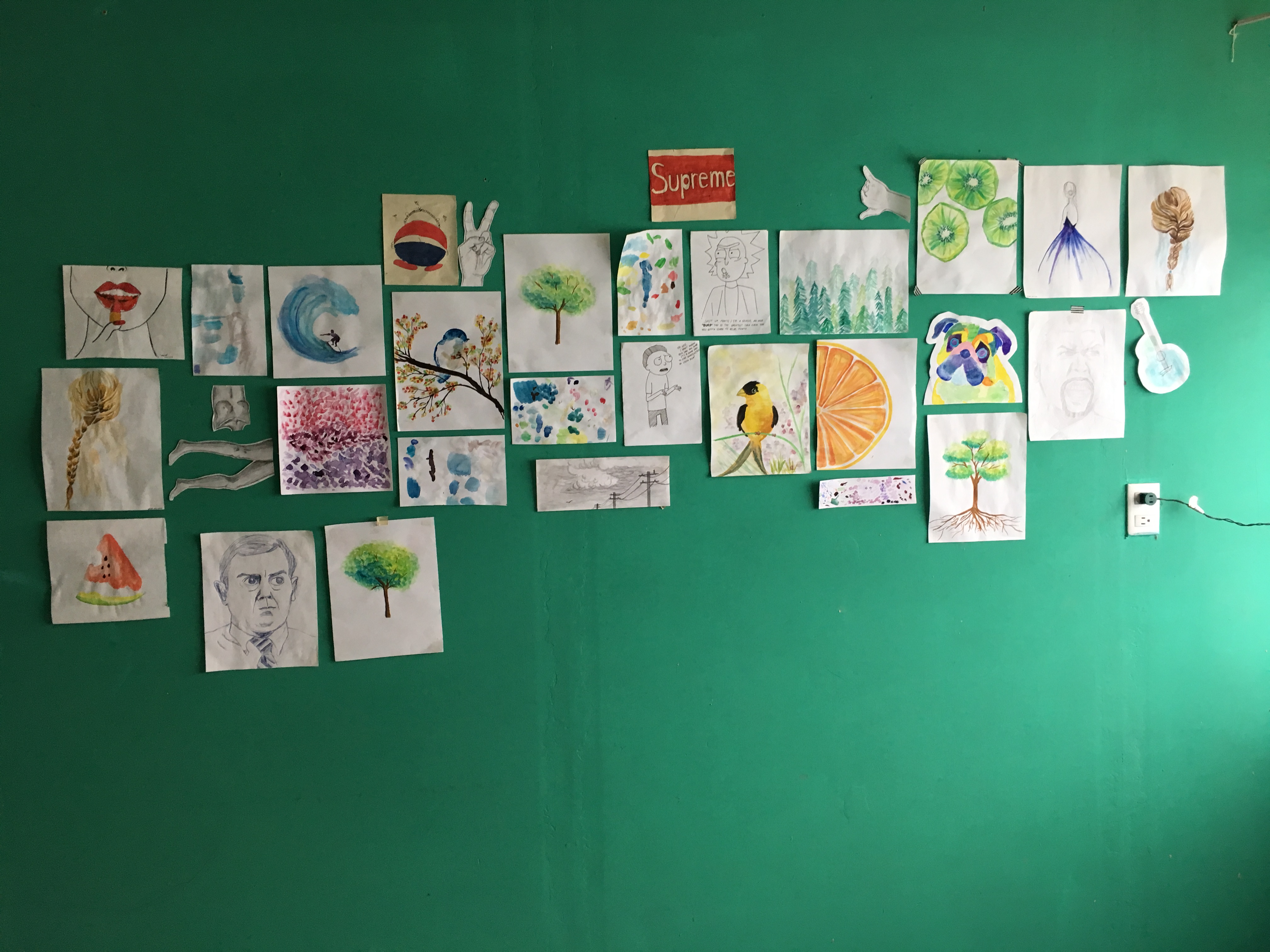
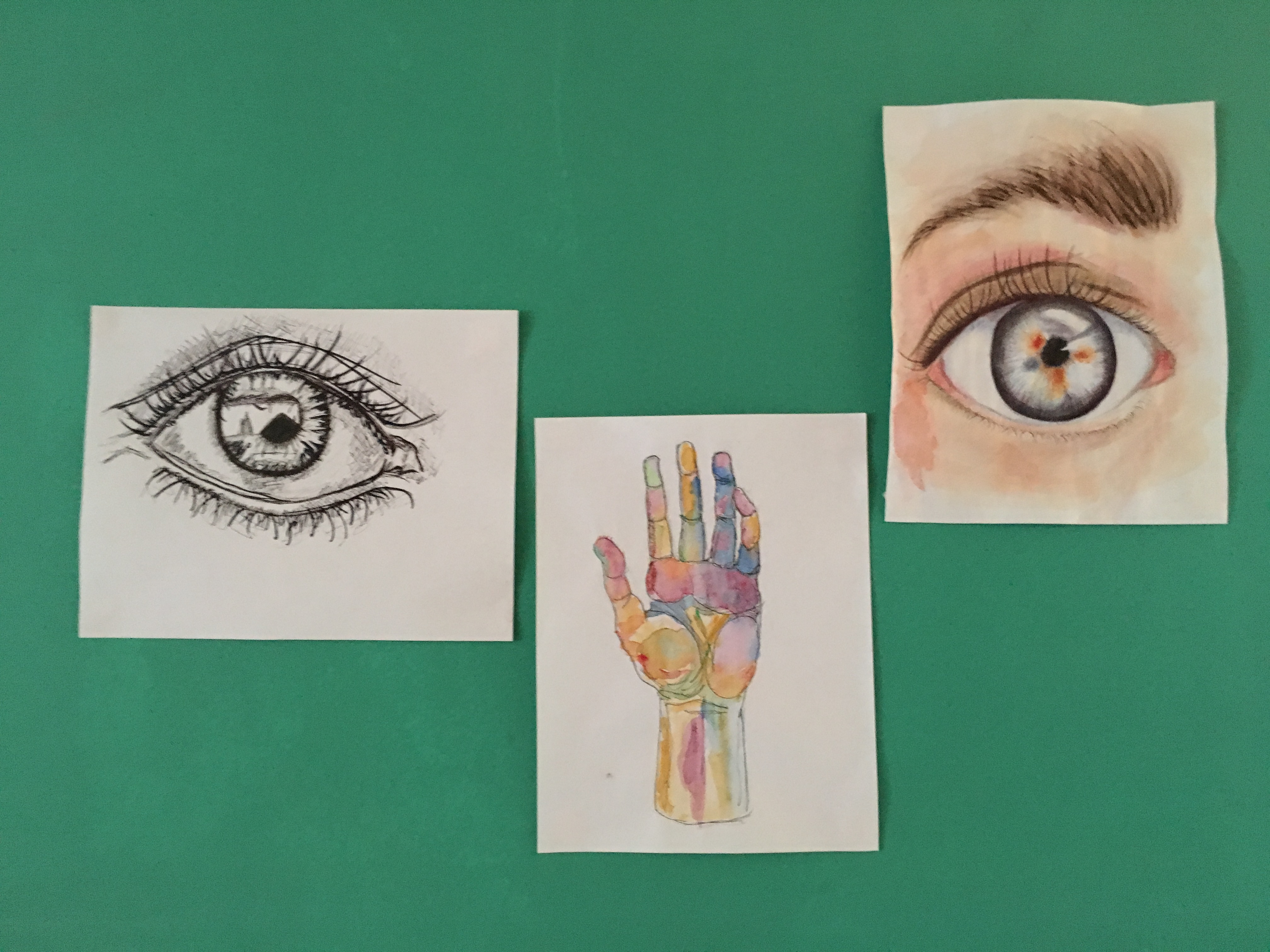
The master bedroom, complete with Christmas twinkle lights and a luxurious inflatable sleeping unit.
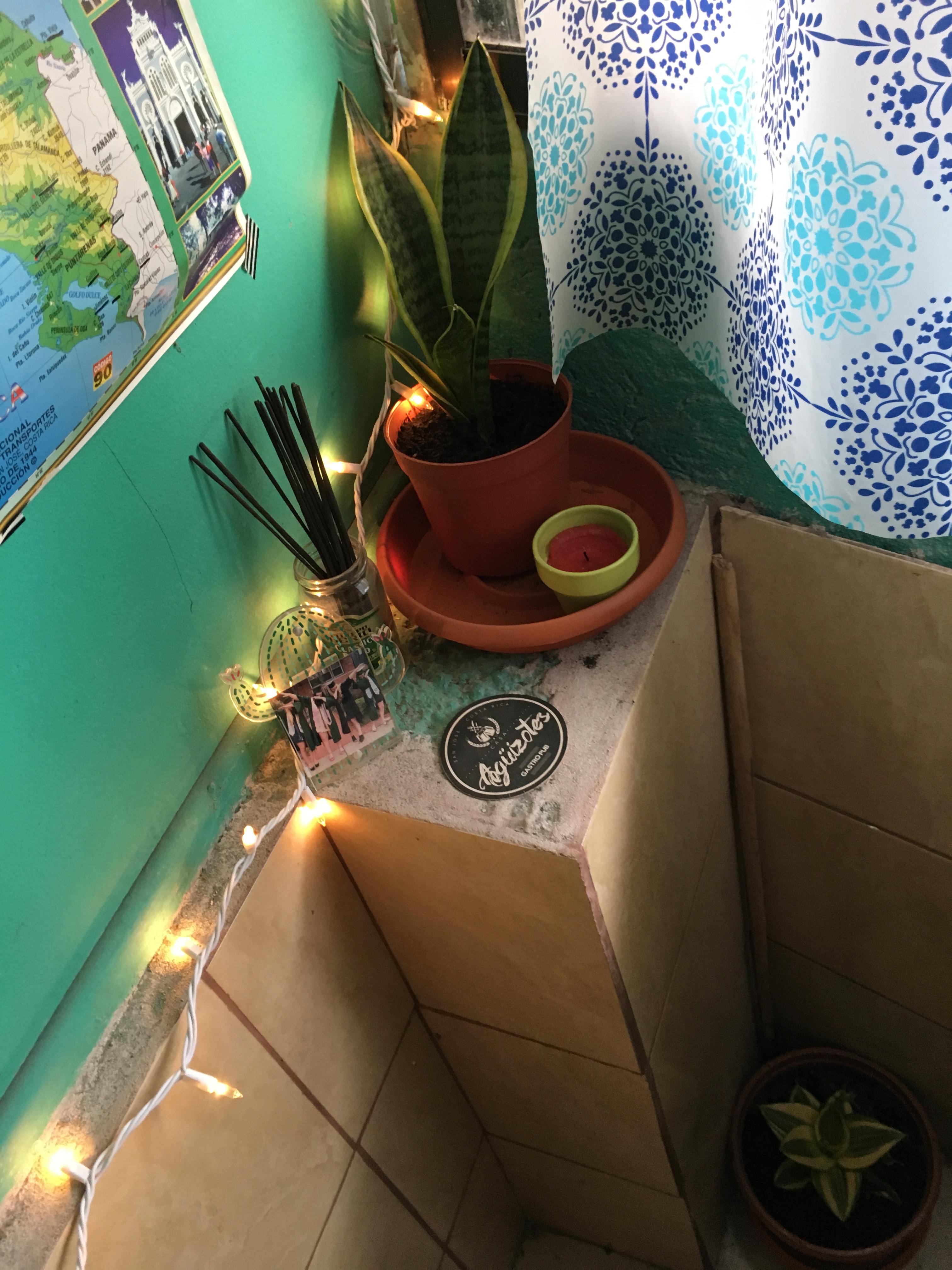

Living in my own place for a little over a year has gifted me with a bunch of new experiences. I’ve learned that shower curtains are inexpensive and can easily double as regular curtains. That you can have rats in your ceiling. And that you can have them again. That mason jars are the only storage that the sugar ants don’t seem to get into, and even then sometimes they find a way. That the rain on a tin roof is my favorite sound in the world. I’ve learned that hand-washing clothing isn’t as bad as it sounds, and that we can put up with just about any “difficult” situation for longer than we think. And, perhaps most importantly, that the level of “difficult” is largely determined by your attitude towards it.
Each volunteer’s service is unique, and their living circumstances are no different. In my case, I’m thankful for the independence that living alone affords me and to be able to have both a host family and apartment living experience during my service.
 820 Days of Pura Vida