This January, we did a thing.
Both parts of the previous statement minimize exactly what happened, because the aforementioned ‘thing’ happened for much more than than just January, and the thing was more significant than can be accurately captured by the word “thing”.

Let me start from the beginning.
This journey begins back in June when friend and fellow PCV Jackie (sitemates by force, friends by choice <3) and I applied to host a JumpStart camp in our shared site, San Vito de Coto Brus. I use the word “journey” because it. was. a. process.
gah.
A beautiful, albeit long process that led to some seriously awesome and “this-is-exactly-why-I’m-here”-level fulfilling moments.


What is JumpStart, you may ask? Well:
JumpStart is an intensive 4-week long immersive English camp that is held during Costa Rica’s summer vacations in January. The purpose of the camp is to support rising 7th graders who will be entering colegio the coming school year by 1. improving their confidence and knowledge of English so that they can enter high school with the skills necessary to be successful in English classes as well as 2. arming them with key academic skills such as note taking, understanding their estilos de aprendizaje (learning styles), study habits, among others, that will aid their success as a student overall a lo largo de su experiencia en el colegio.


JumpStart was created as a collaboration between Peace Corps and an organization called Costa Rica Multilingue as a way to continue moving closer to Costa Rica’s self-identified goal of becoming a bilingual country (Costa Rica and Bilingualism). The first JumpStart camps were held in 2012, and after this cycle’s set of camps, a total of 118 JumpStart camps will have been held across the country since the camp’s inception.


One of the parts that I love most about JumpStart’s approach to learning is that it is designed to be interactive and activity-based and is focused on production of the target language. As an added bonus, the camp’s curriculum mirrors the curriculum that students will see when they reach 7th grade as a way to familiarize students with the material they will be interacting with during their first year of high school.


After our camp proposal was approved in June our calendars filled for basicamente the rest of the year with a checklist of JumpStart-related activities that would ultimately allow us to run a successful camp. Meetings with school directors to secure a space to host the camp. Parent meetings to generate interest and gather donations. Securing local counterparts to support the camp. Grant writing. Grant writing workshops. More grant writing. Grant revising. Donation collections. Creations of WhatsApp groups. Teacher trainings. Printing of workbooks and curriculums. Material purchase. Material assembly. Planning. Recruiting children to participate in the camp.
All during this process, it’s important to remember that last year was exceptional in that, between the months of September-December, Costa Rican schools were on strike. This complicated these plans a bit, to say the least. Particularly the recruitment of children to participate in the camp. To quote German philosopher Friedrich Nietzsche, in the slightly modified words of Kelly Clarkson, “What doesn’t kill ya makes ya stronger.”

So we said “oh well” and made it work.
JumpStart is a grant that Peace Corps Volunteers in Costa Rica can apply for that is provided by an organization called CRUSA (Costa Rica United States of America). In order to receive funds from this institution, volunteers must demonstrate a need in the community as well as at least 40 % community contribution to the project. These requisites help increase the likelihood that the project will be sustainable, which falls right before “integration” and right after “mitigate” in the Peace Corps’ dictionary of all-time favourite words..
Alright, so now we all have a basic understanding of the history and purpose of JumpStart, as well as a timeline of events leading up to the camp. Now let’s get to the good stuff.
After so much time over half a year of preparations, we finally got to do the actual thing. For four weeks in January, we got spend 120 hours in a classroom with 15 bright-and-shiny eager-to-learn 11-12 year old faces.
Ok so maybe they weren’t always so eager to learn. We still had a good time.
Some highlights of the camp:
Training of Teachers


Held in November before the actual camp, this training of teachers involved camp coordinators, local counterparts, and TEFL PCVs that were supporting other camps. In my role as a JumpStart Leader, I had the opportunity to work with my two other fabulous JSTLs, Sarah and Jackie W. to plan and execute this training.
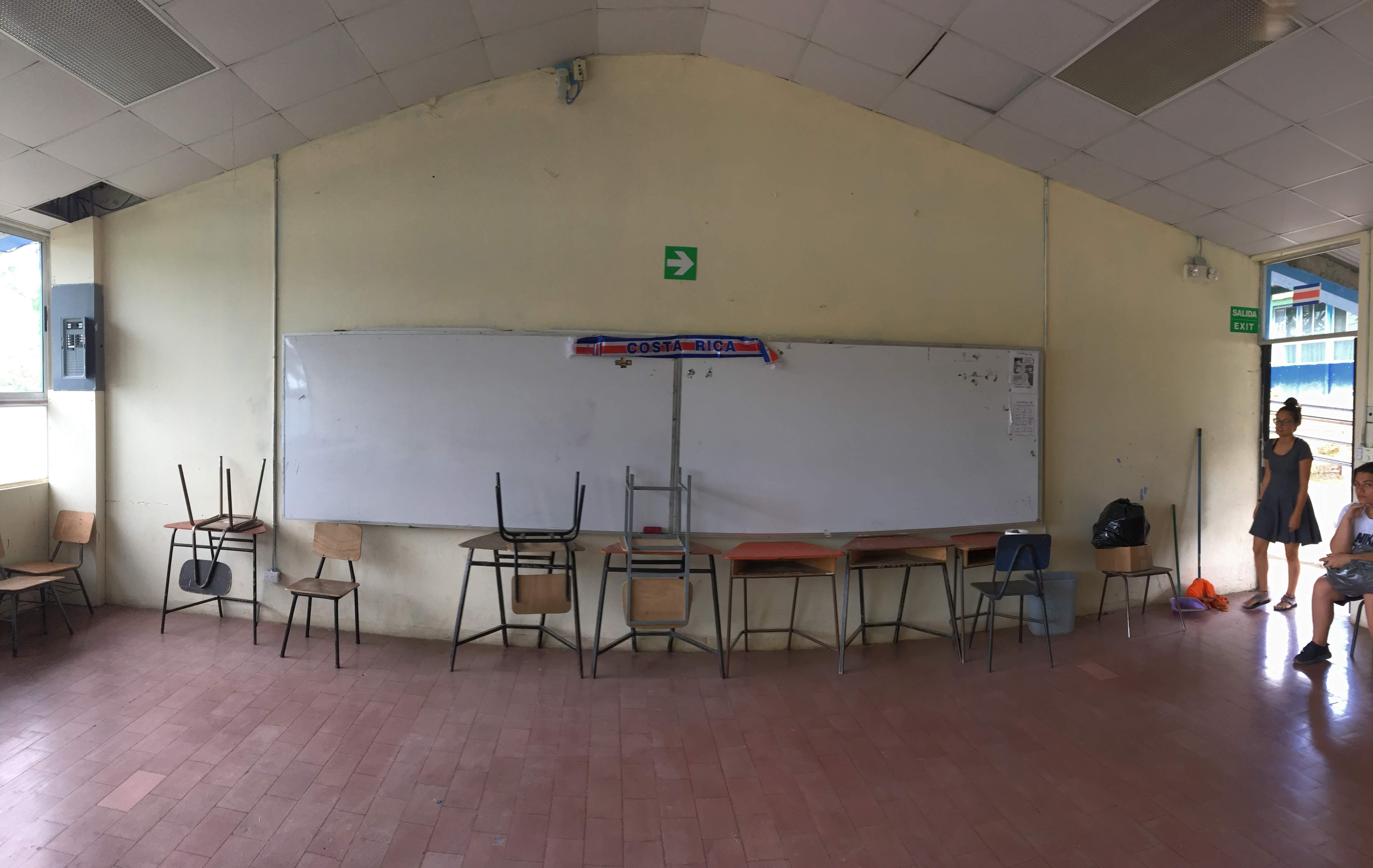
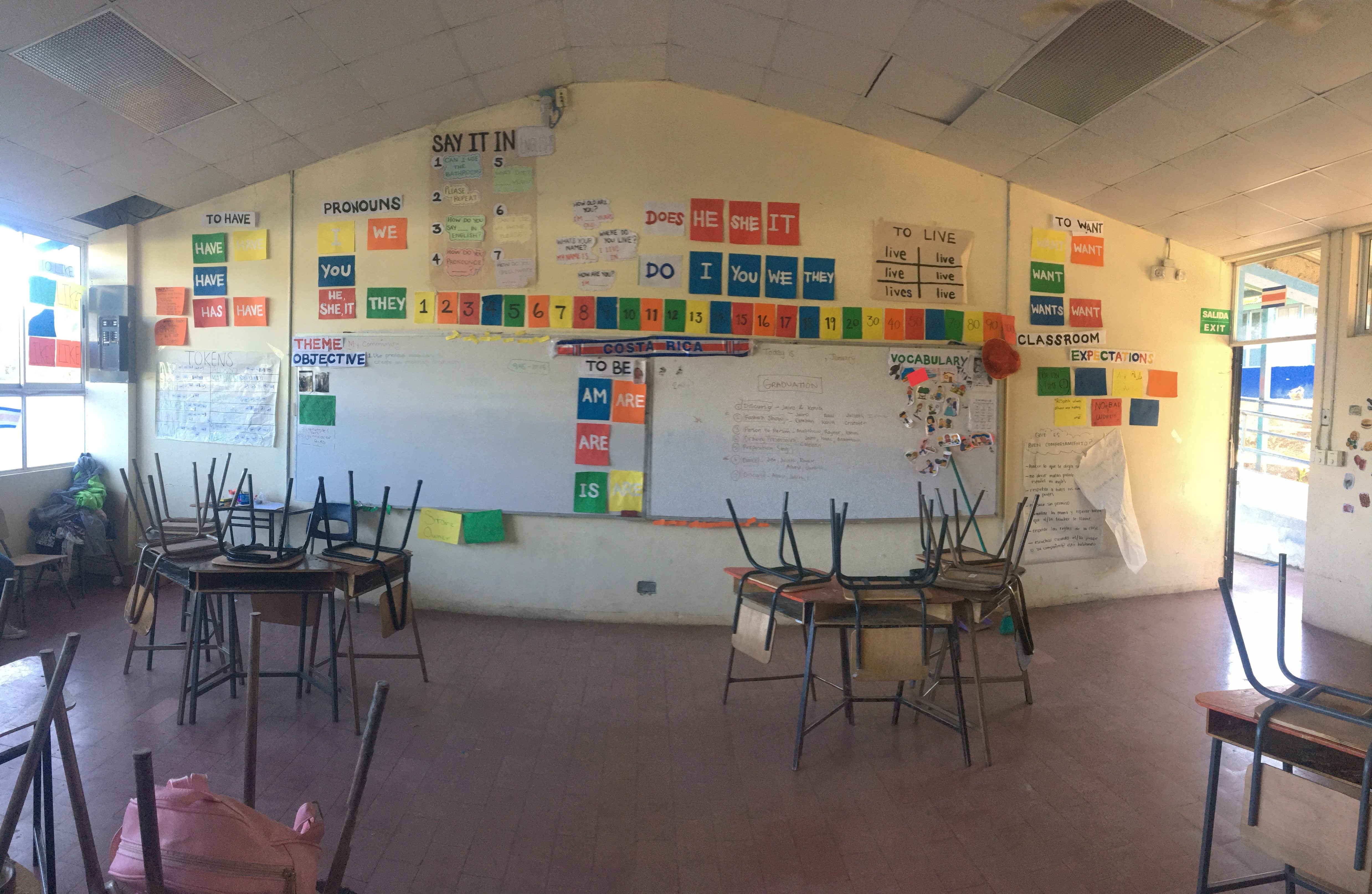
Classroom Day 1
Spanish Hat


In order to control use of Spanish in the classroom (‘tis an English camp, afterall), we set the expectation with our students that you could only speak Spanish while wearing the Spanish Hat, which is a magical hat imbued with the power to speak Spanish. This technique worked really well for our classroom and keeping students focused on using the target language in class.
Jackie Got Older


Our only camp birthday. Quick moment to shout-out this freshly 26 lady, this camp rocked thanks to you. From classroom management, to always having a fun “energizer” ready to inject the children with a ‘lil more liveliness when they were acting like restless monsters, to always playing rad music on the Oontz (although I’m 95% sure most of those playlists were made by Alex – anyways), I appreciate you and how great you helped make this experience. Couldn’t imagine doing it without you.
Token System
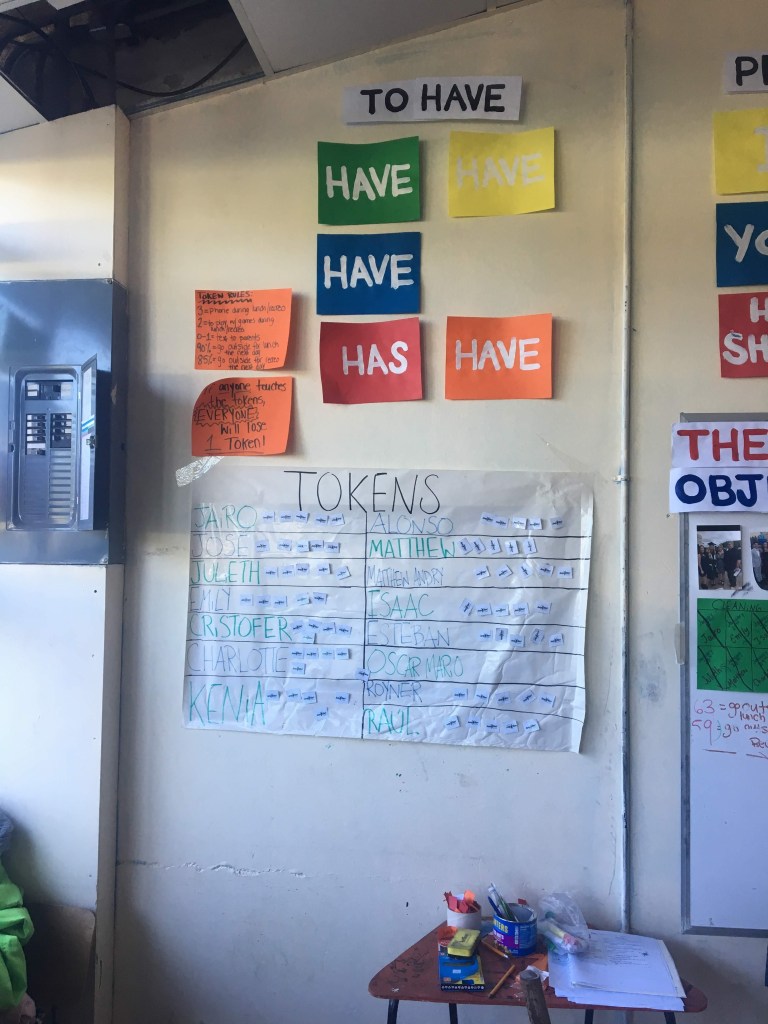
Classroom management. We. Love. Classroom. Management.
PCV Visit Spotlights


Some of our newest lovely additions to the Zona Sur and PCV Costa Rica community in general, Tom, Katie, and Mia each came up for one week during the camp to provide support. I got the distinct pleasure of hosting each of them in my house for the weeks that they came to participate in and observe the camp, and each taught me something new and special. Thanks to Tom I now eat and enjoy broccoli. Mia opened my eyes to ginger tea, which has now become a part of my morning beverage routine. Katie taught me the meaning of the word “athleisure” and helped remind me that I was actually born in 1919 even though we’re both 23. It was all very special.
Local Counterpart Extraordinaire: Luis


Our fabulous local counterpart and high school student at CTP Umberto Melloni, Luis. Luis is interested in potentially teaching English in the future and supported the camp in indispensable ways by working with students who were struggling, helping with classroom management, llevando a los chiquillos a la pulpe as long as they behaved (which was not always, shocking), and providing a younger and more “hip” (told you I was born in 1919) perspective that was easy for the kids to relate to.
I used the word “interactive” to describe the camp, and gosh darn it I meant it.
Because not all learning takes place through textbooks.


Learning parts of the body by labeling big sheets of papel periodico.


Parts of the body relay race!


Learning parts of our community and how to give directions by creating maps.


Fashion Show! During Week 3 we learned articles of clothing and how to say “I am wearing ___” by raiding the local Ropa Americana (#thriftstore) and having students dress themselves up and narrate what one another was wearing as they walked down the “runway.”


Person-to-Person! We practiced parts of the body through this game where you have students in partners and yell out two body parts (for example, “elbow to knee!”) and the students have to touch those two body parts.


The Flyswatter Game. A staple of any language instructor’s teaching arsenal. Also one of the most guaranteed ways to provoke intense competition in students, regardless of age.
Classroom Day 20
Graduation Day
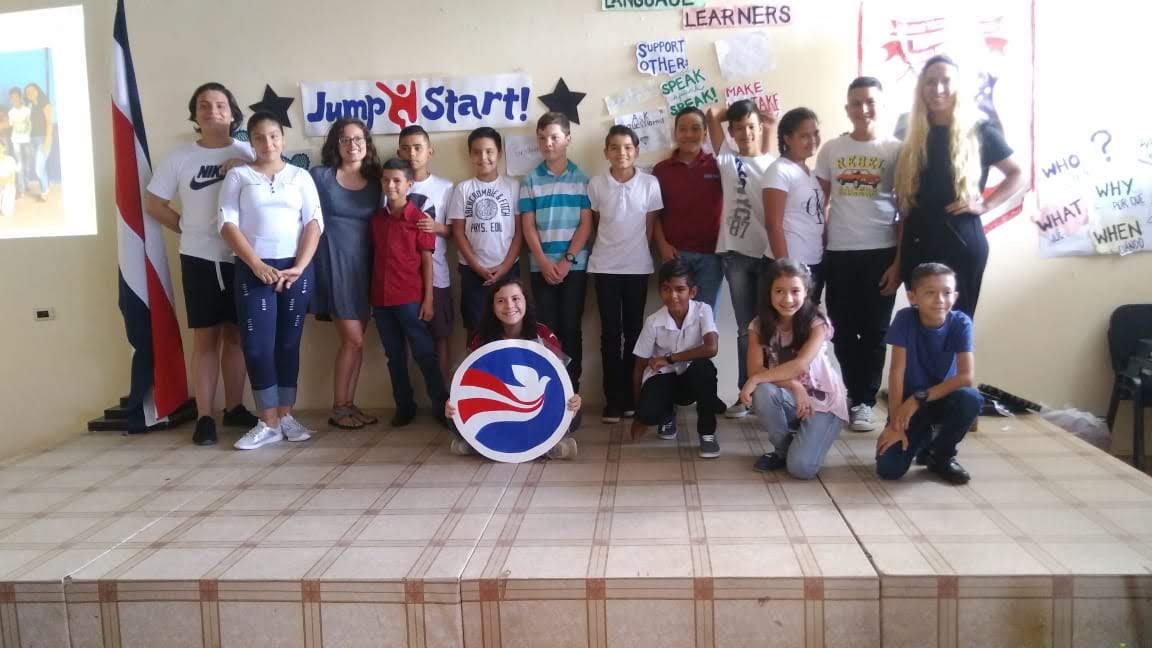
On the first day of the camp, students take a 15-question oral pre-test. The assessment assigns a level between 1-5 to each student. After applying the pre-tests, the majority of students could not make it past the first three questions and all students fell into levels 1-2.
On the last day of the camp, the same test was applied again to re-evaluate students English levels. Of the 15 questions, no student answered fewer than 10 and all students fell into levels 3-5. To witness that kind of growth, where some students literally jumped from Level 1, only being able to respond to “What is your name?” during Week 1 to Level 5 over the course of four weeks was really, really cool. It can’t help but bring a smile to my face right now as I sit on a bus typing this blog out.
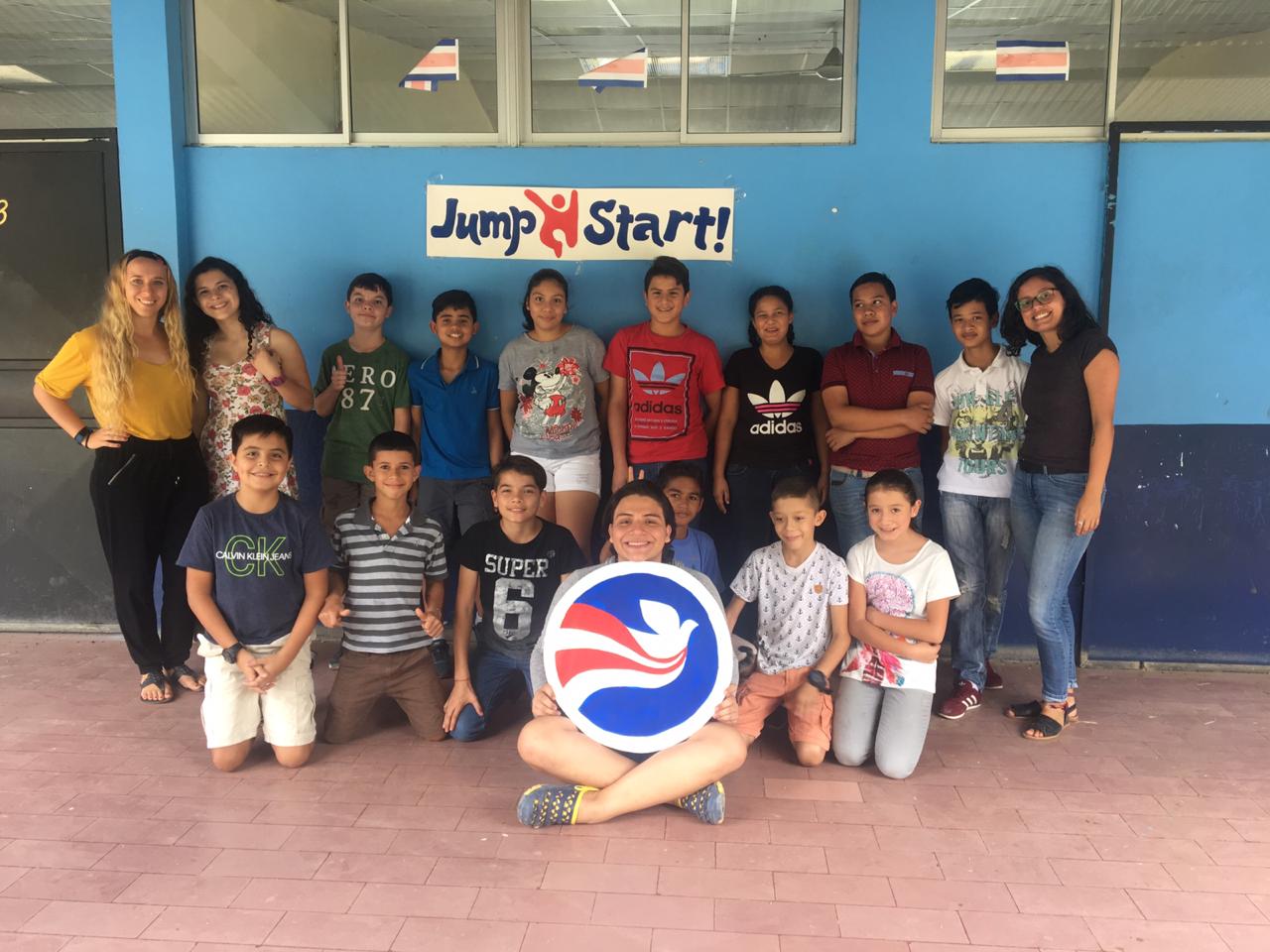
This experience involved a lot of moving parts and preparation and, as with everything, came with its fair share of ups and downs. We’re all so proud of these kids and very agradecidos for the opportunity to learn with them for the month. Maybe it’s because I’m a few weeks out from the completion of the camp and now its easier for me to romanticize it (spoiler alert: working with 11-12 year olds in the same class for 6 hours a day 5 days a week during summer vacation is sometimes neither easy nor fun), but this camp has been, without a moment of hesitation, one of the highlights of my service.
This. Doing this thing. This is why I’m here.
 820 Days of Pura Vida
Pingback: 820+ Days of Pura Vida | 820 Days of Pura Vida